



Available courses
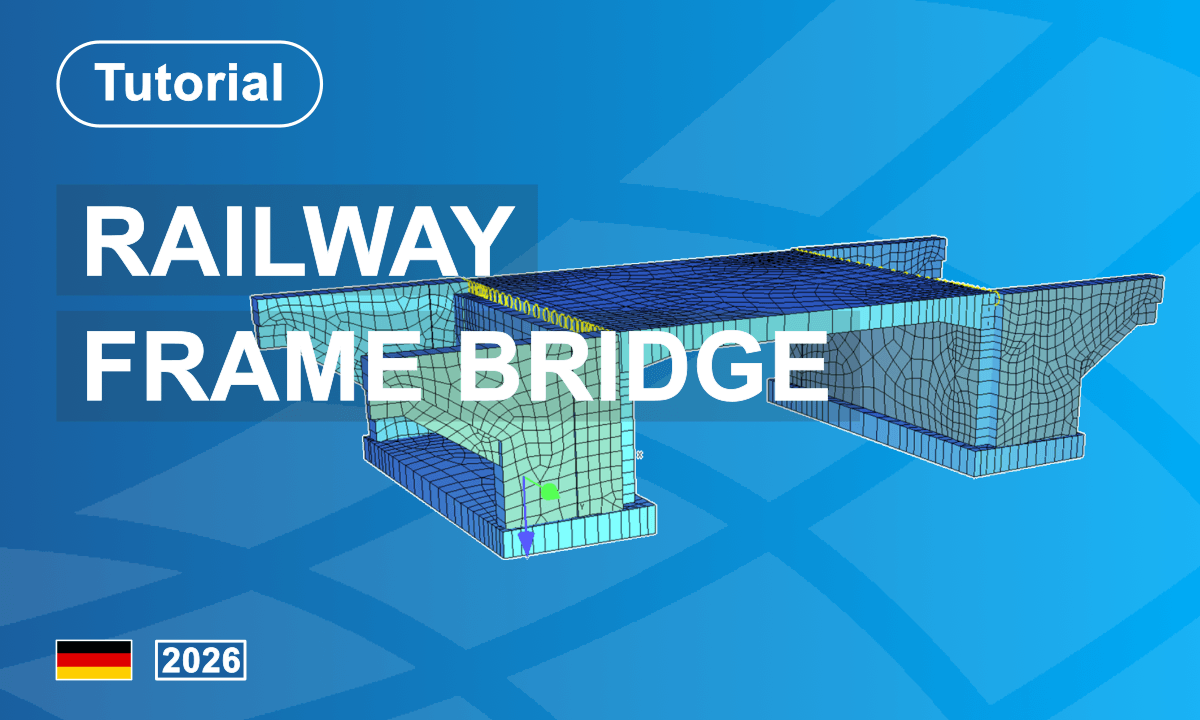
Integral Railway Frame Bridge
- Non-editing teacher: Johannes Ettenhuber
- Enrolled students: 36
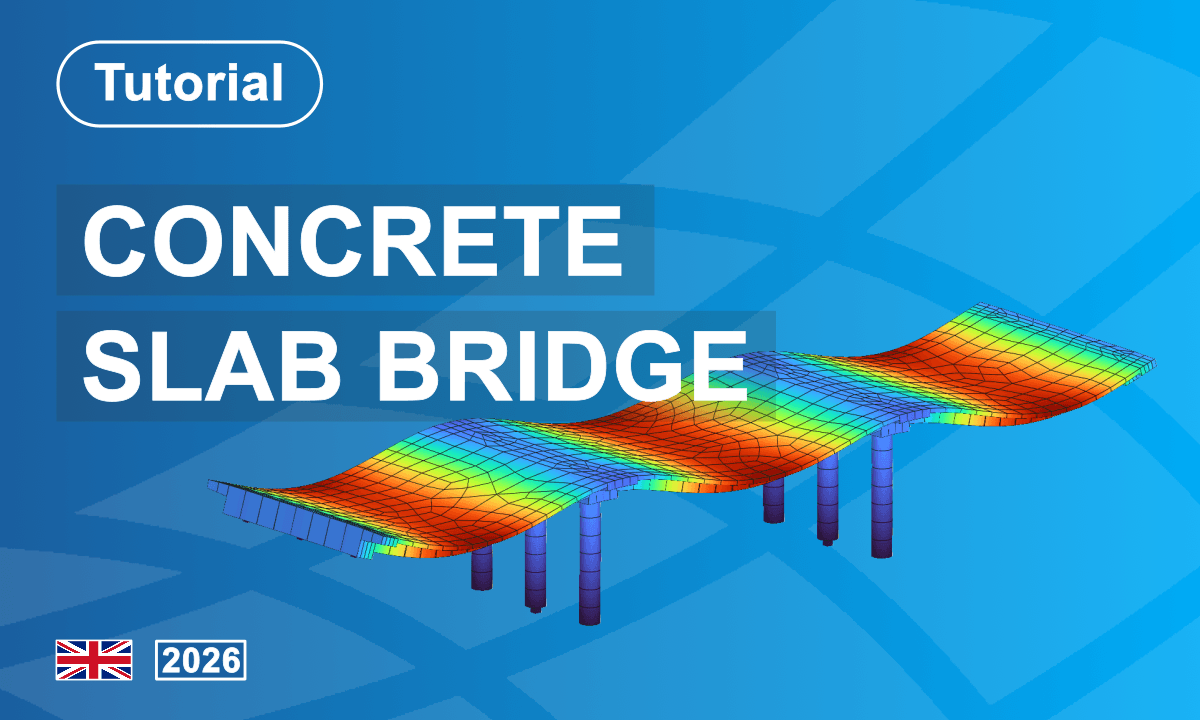
Concrete Slab Bridge
This tutorial demonstrates the complete SOFiSTiK workflow for the analysis and design of a three-span reinforced concrete slab bridge.
Participants learn how to create a new SSD project, define materials and cross sections, generate the structural system in SOFiPLUS, apply permanent, temperature and traffic loads, perform linear analysis, define construction stages, create design combinations and execute design checks for area and beam elements.
The tutorial also introduces the load stepping method for traffic load evaluation and concludes with project documentation. It provides a practical bridge engineering example based on Eurocode design principles.
- Non-editing teacher: Guido Altersberger
- Enrolled students: 40
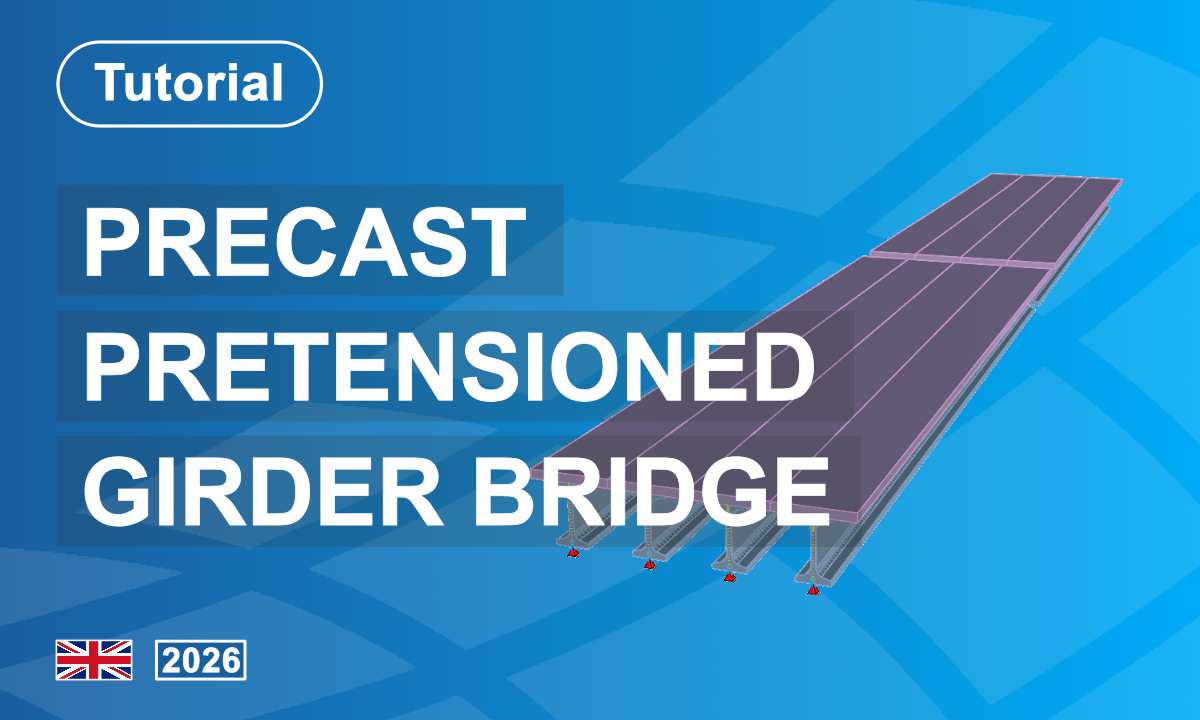
Precast Pretensioned Girder Bridge Modeling with Grasshopper
This course introduces the modeling workflow for a precast pretensioned girder bridge using Rhinoceros, Grasshopper, and SOFiSTiK applications. The content focuses on bridge geometry generation, parametric modeling strategies, girder arrangement, tendon definition, and structural analysis preparation. Participants learn how to automate bridge components efficiently with Grasshopper and prepare analytical data for further design and evaluation tasks. The workflow demonstrates practical coordination between geometric modeling and engineering analysis processes. The tutorial is suited for bridge engineers and designers seeking improved productivity in digital bridge modeling and parametric infrastructure development using integrated structural engineering tools and computational design methodologies.
- Non-editing teacher: Dariusz Garas
- Enrolled students: 21
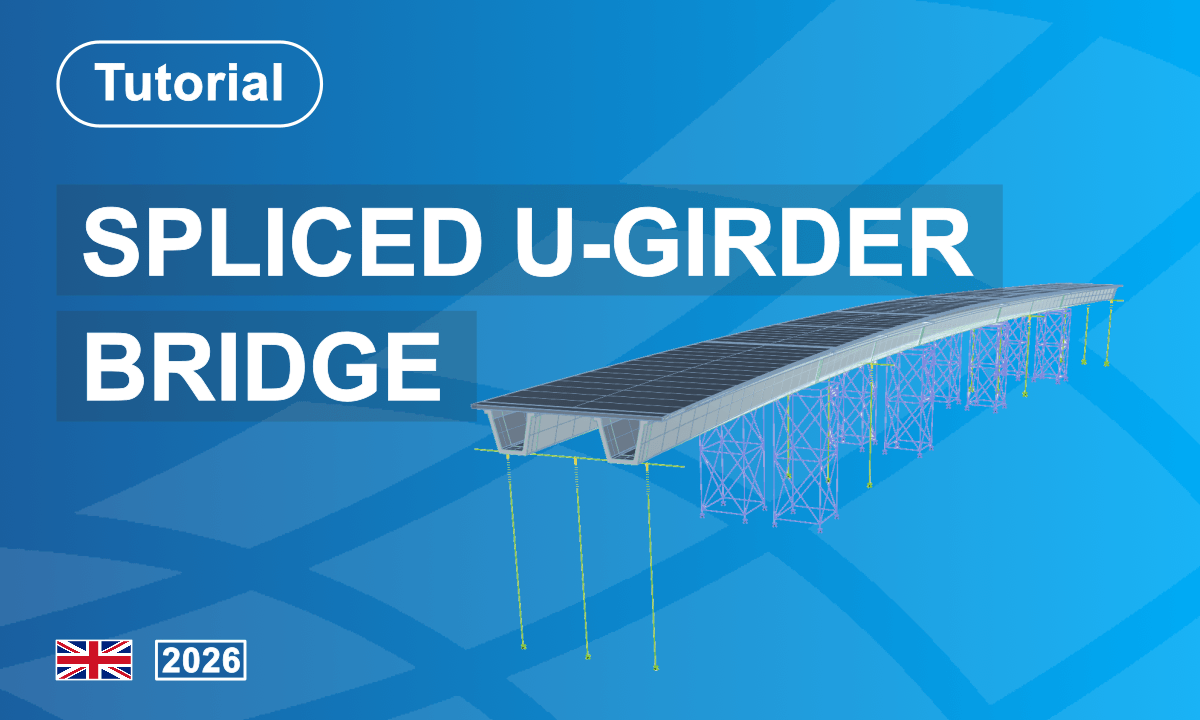
Modelling of a Spliced U-Girder Bridge with Grasshopper
This course demonstrates the parametric modeling workflow of a balanced cantilever bridge using Grasshopper and the Rhino Interface. The content explains how to create bridge geometry, define structural components, and prepare analytical data for further evaluation and design. Users learn how Grasshopper-driven parametric definitions improve modeling efficiency and support rapid geometry adjustments during bridge development. The workflow highlights the interaction between Grasshopper, Rhino-based geometry generation, and structural analysis preparation. Practical examples illustrate bridge segment arrangement, alignment handling, and modeling strategies for complex bridge structures. The course is intended for engineers and designers working on advanced parametric bridge workflows.
- Non-editing teacher: Dariusz Garas
- Enrolled students: 16
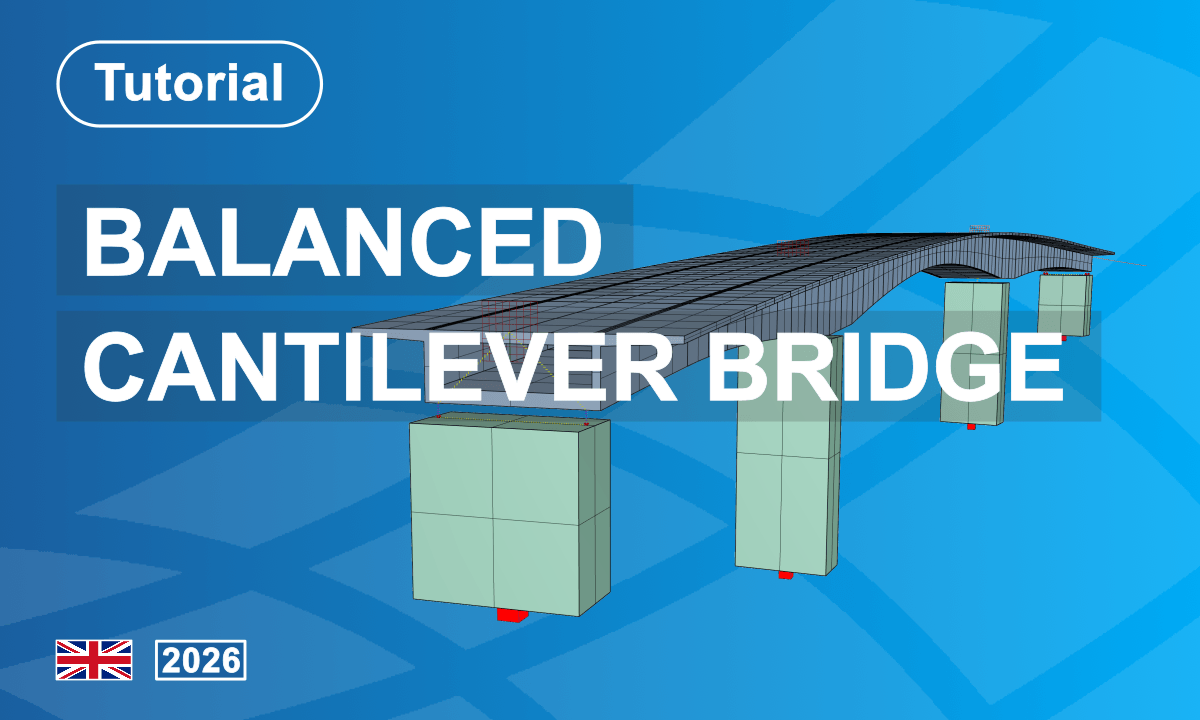
Balanced Cantilever Bridge Modeling with Grasshopper
This course demonstrates the parametric modeling workflow of a balanced cantilever bridge using Grasshopper and the Rhino Interface. The content explains how to create bridge geometry, define structural components, and prepare analytical data for further evaluation and design. Users learn how Grasshopper-driven parametric definitions improve modeling efficiency and support rapid geometry adjustments during bridge development. The workflow highlights the interaction between Grasshopper, Rhino-based geometry generation, and structural analysis preparation. Practical examples illustrate bridge segment arrangement, alignment handling, and modeling strategies for complex bridge structures. The course is intended for engineers and designers working on advanced parametric bridge workflows.
- Non-editing teacher: Dariusz Garas
- Enrolled students: 17
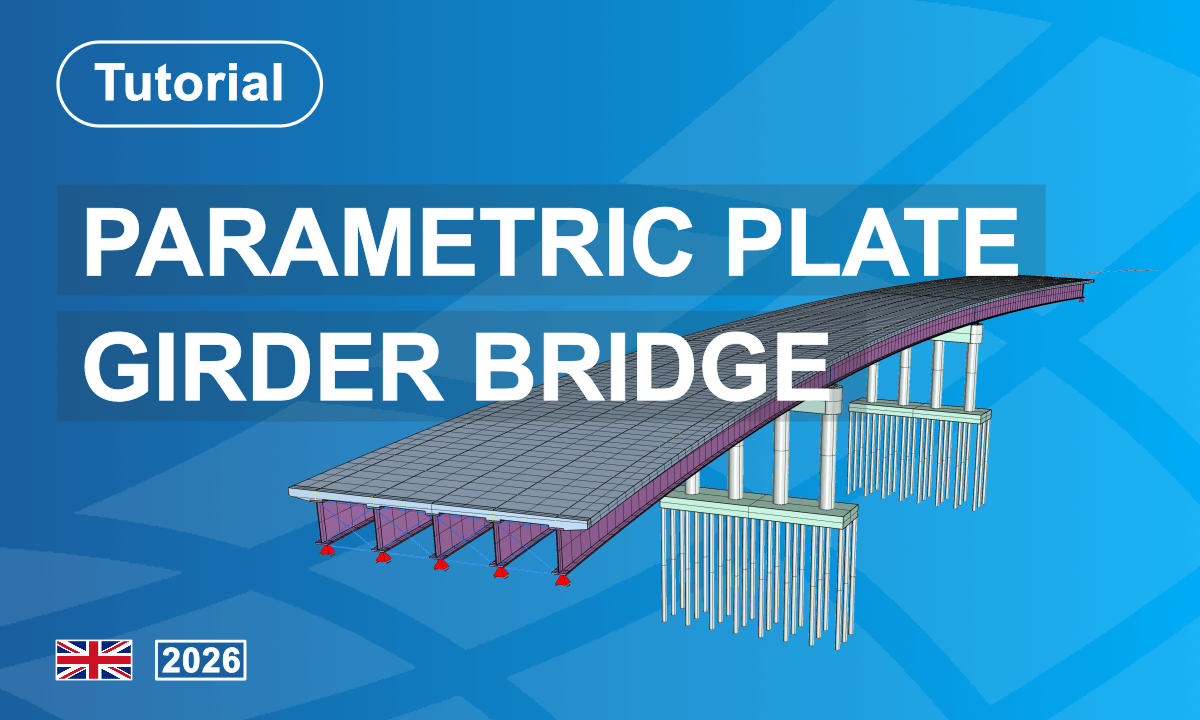
Parametric Plate Girder Bridge Modelling with Grasshopper
This course demonstrates the modelling workflow of a plate girder bridge using the Rhino Interface. Participants learn how to create bridge geometry parametrically, define structural components, and prepare the analytical model for further design and analysis tasks. The content focuses on efficient modelling techniques, geometry control, and data transfer between Rhino and the structural environment. Practical bridge engineering examples illustrate how to organise the model, manage cross-sections, and optimise the workflow for complex bridge structures. The training is suited for engineers seeking to improve bridge modelling productivity and establish reliable parametric workflows for steel bridge applications.
- Non-editing teacher: Dariusz Garas
- Enrolled students: 15
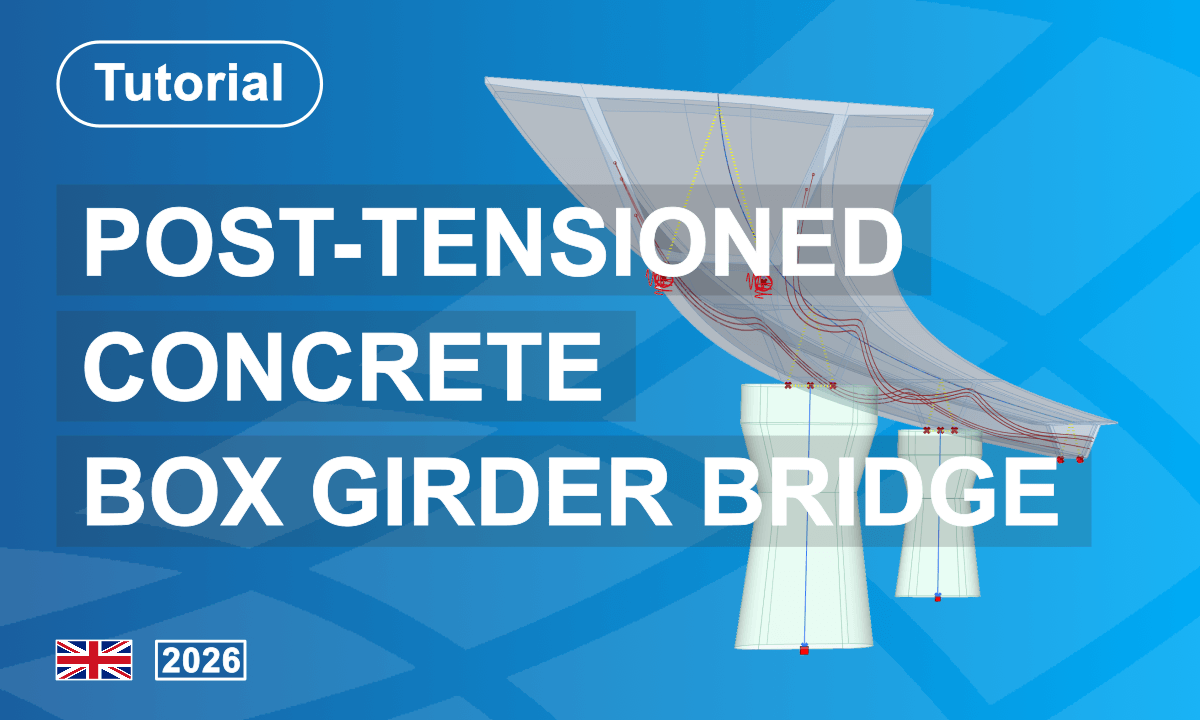
Post-Tensioned Concrete Box Girder Bridge Design and Analysis
This course demonstrates the modelling, analysis, and design workflow for a post-tensioned concrete box girder bridge. Participants learn how to define bridge geometry, tendon layouts, construction stages, material properties, and load cases for realistic bridge behaviour assessment. The content covers structural analysis, prestressing effects, design checks, and result evaluation for bridge engineering applications. Emphasis is placed on efficient modelling strategies and interpretation of analysis results for practical infrastructure projects. By completing the course, engineers gain insight into advanced bridge workflows and develop confidence in handling post-tensioned bridge systems within an integrated structural engineering environment.
- Non-editing teacher: Dariusz Garas
- Enrolled students: 14
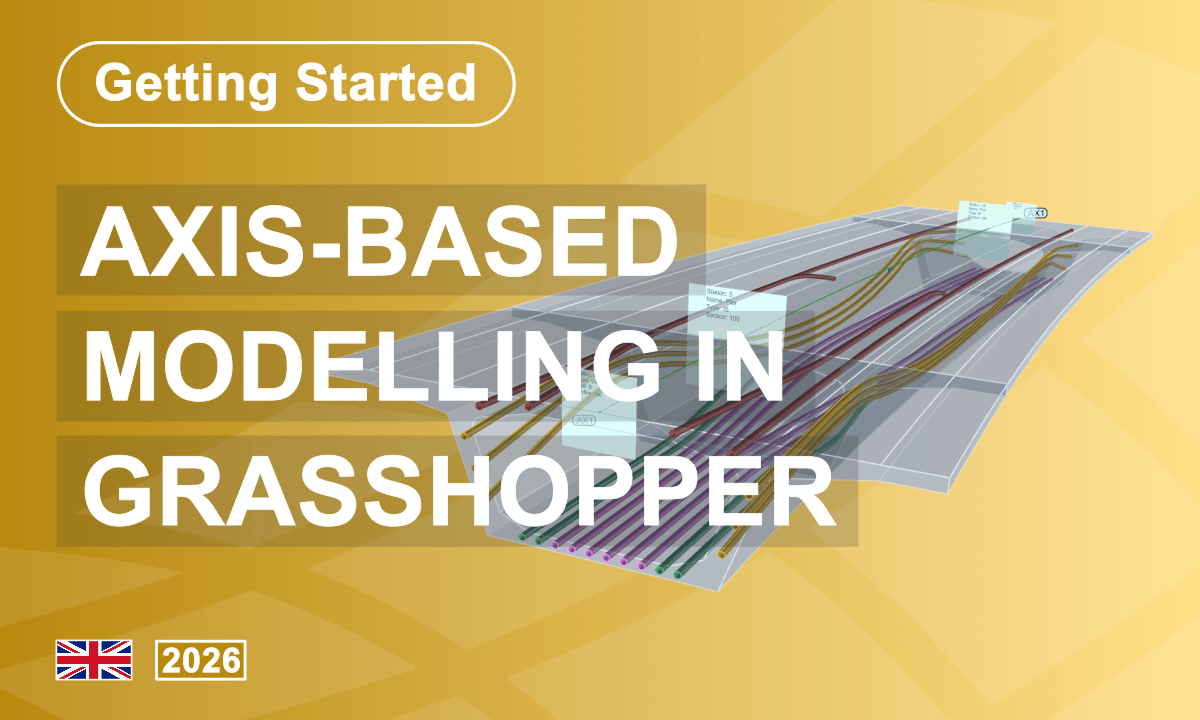
Grasshopper Axis-Based Modelling Getting Started
This course introduces axis-based and tendon modelling within the Rhino Interface. It covers the complete workflow from project setup to advanced handling using Grasshopper components. Topics include creating and editing axes, defining placements, controlling interpolation settings, and modelling tendons along predefined geometries. The course explains how axes define the structural backbone and how tendons are integrated parametrically for prestressing applications. Special focus is given to discretisation, alignment, and accurate placement control. The workflow enables efficient generation of parametric structural models and provides a robust basis for further structural analysis and design tasks.
- Non-editing teacher: Dariusz Garas
- Enrolled students: 18
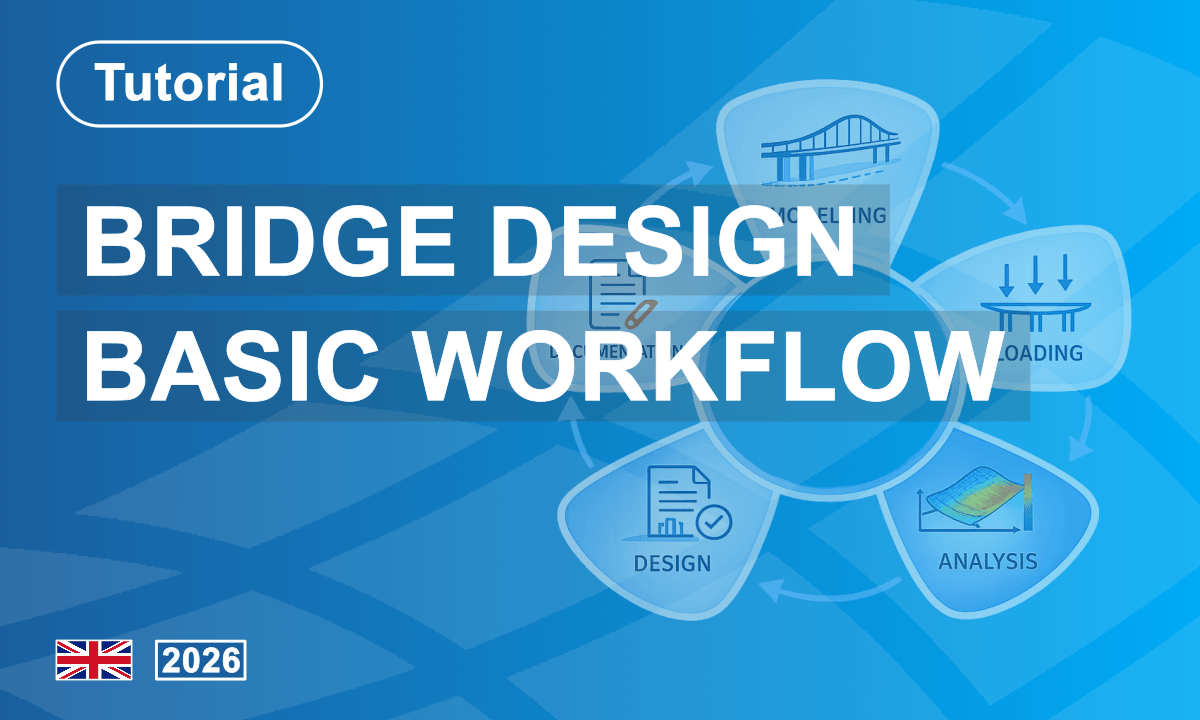
Bridge Design Workflow
This course presents the complete SOFiSTiK workflow for bridge design projects using SSD and SOFiPLUS. Participants learn how to create a project, define materials, cross sections and prestressing systems, generate bridge geometry, apply actions and loads, perform linear analysis, evaluate traffic loads, manage construction stages and create design combinations.
The course explains modelling principles based on bridge axes, tendon definition, load management and mesh generation. It also covers design preparation, reporting and project archiving.
The workflow provides a structured foundation for reinforced concrete, prestressed concrete and composite bridge projects following Eurocode requirements.
- Non-editing teacher: Guido Altersberger
- Enrolled students: 34
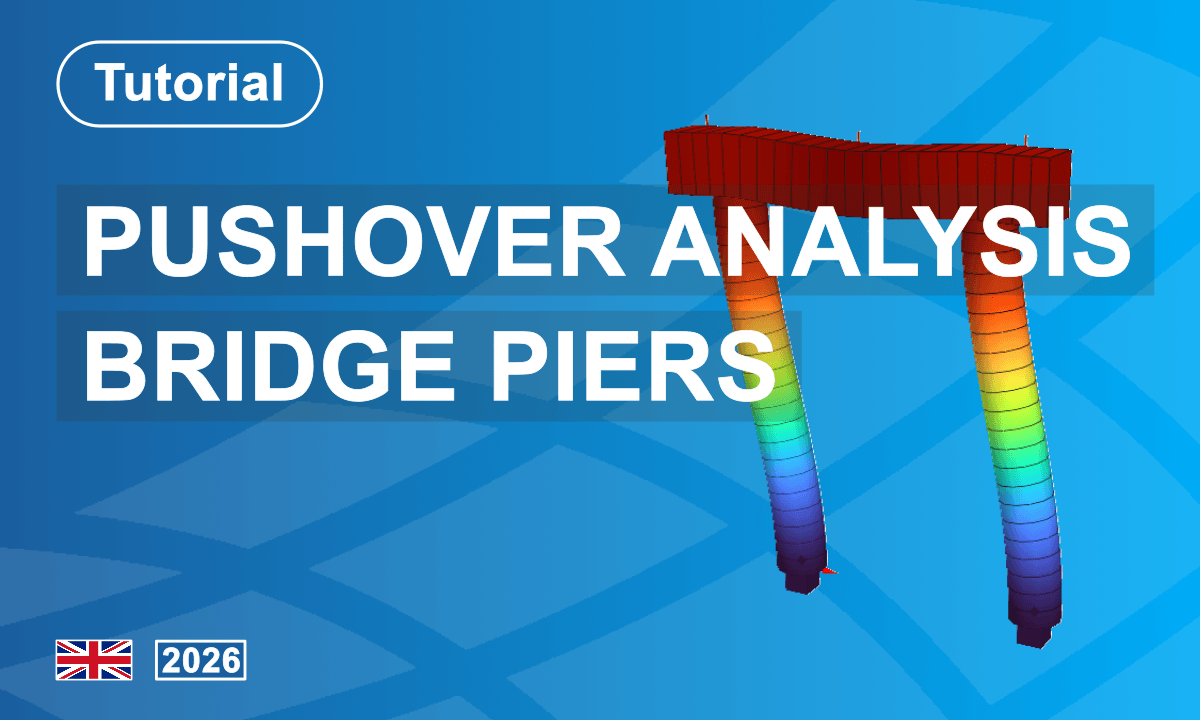
Pushover Analysis of Bridge Piers
This course explains the nonlinear pushover analysis workflow for reinforced concrete bridge piers using SOFiSTiK 2026. The content covers structural modelling, material nonlinearities, load application, and evaluation of displacement capacity and plastic hinge behaviour.
Participants learn how to define analysis parameters, interpret pushover curves, and assess structural performance under increasing lateral loads. The tutorial also demonstrates result visualization and engineering interpretation for bridge design and assessment tasks.
The workflow supports practical applications in seismic engineering and nonlinear bridge analysis while improving understanding of structural reserve capacity and failure mechanisms in reinforced concrete bridge substructures.
- Non-editing teacher: Filip Orsanic
- Enrolled students: 10
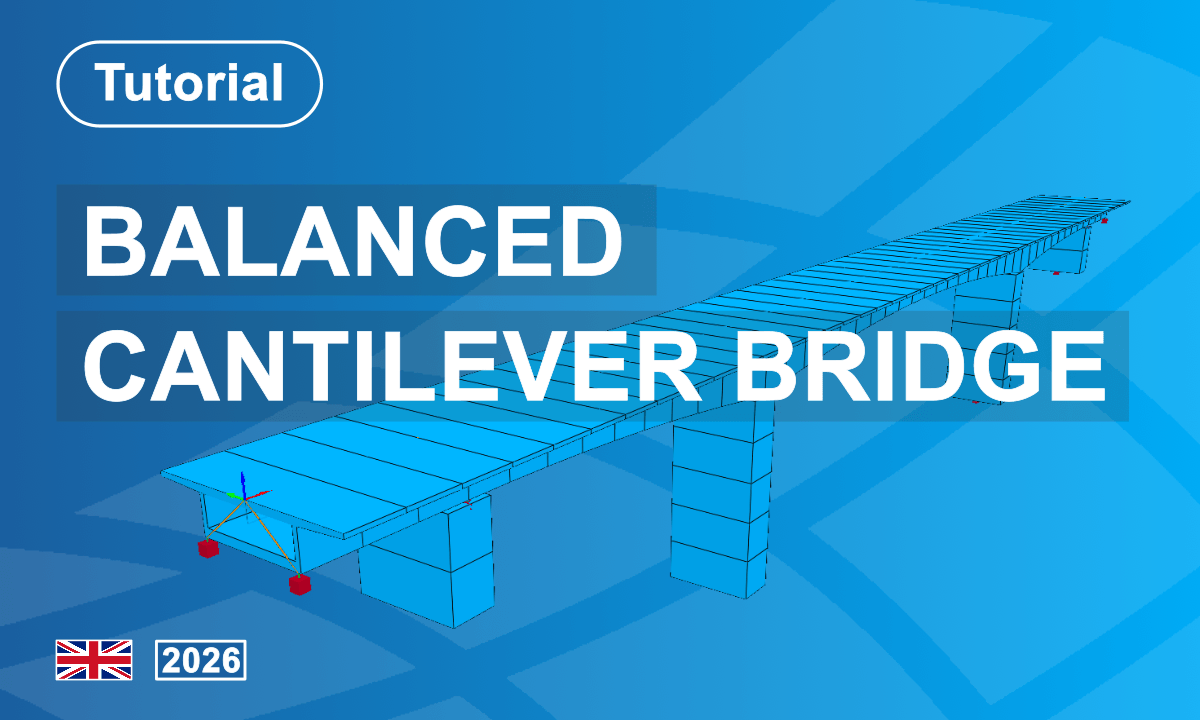
Balanced Cantilever Bridge Modelling and Construction Stages
This course explains the modelling and analysis workflow for a balanced cantilever bridge using SOFiSTiK 2026. The content covers bridge geometry generation, staged construction, tendon definition, load application, and structural analysis. Users learn how to simulate cantilever erection sequences and evaluate the structural response during different construction phases. The tutorial also introduces bridge design considerations, construction stage management, and result evaluation for reinforced and prestressed concrete bridge systems. The workflow supports engineers in developing efficient bridge analysis models and understanding the interaction between geometry, loads, prestressing, and time-dependent construction effects within a practical bridge engineering example.
- Non-editing teacher: Filip Orsanic
- Enrolled students: 11
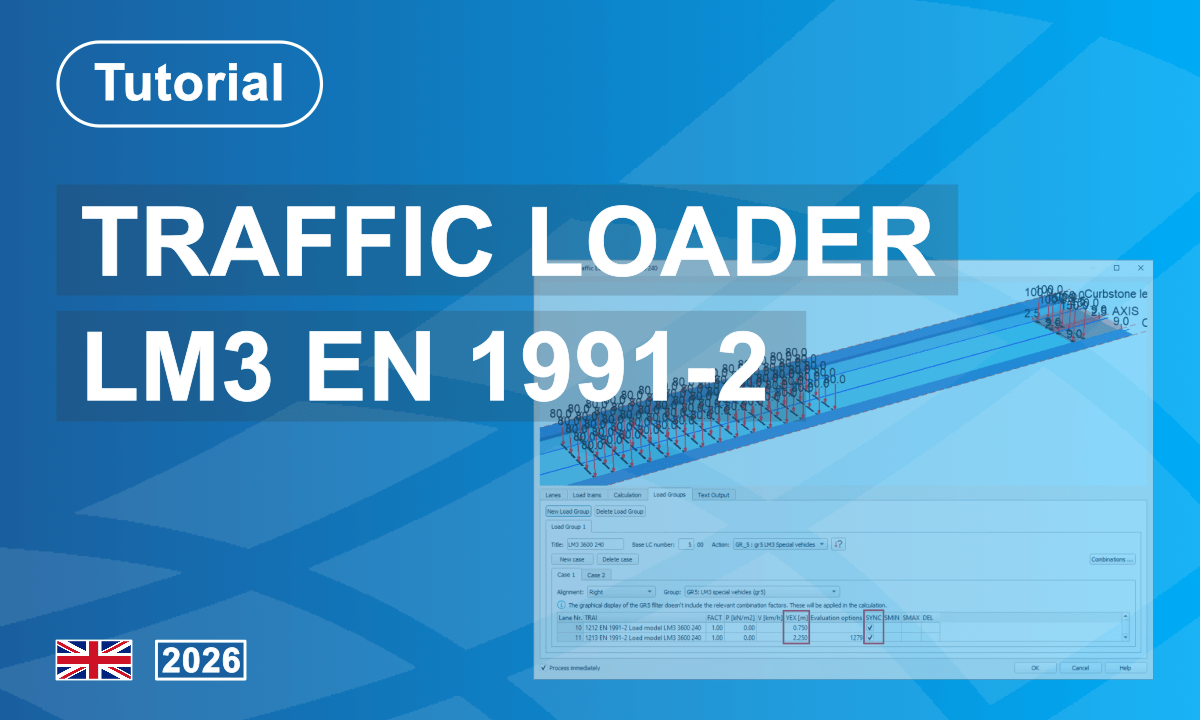
Special Vehicles (LM3) with Traffic Loader
This tutorial explains how to define and evaluate special vehicle load models (LM3) using the SOFiSTiK Traffic Loader. The workflow covers vehicle configuration, lane assignment, load positioning, and analysis setup according to bridge design standards. Users learn how to generate traffic load cases efficiently and integrate LM3 loading into structural analysis and design processes. The tutorial also demonstrates practical modelling strategies for bridge engineers working with moving loads and special traffic scenarios. By completing the tutorial, users gain a structured understanding of LM3 implementation within SOFiSTiK and improve the reliability and efficiency of traffic load assessment workflows.
- Enrolled students: 11
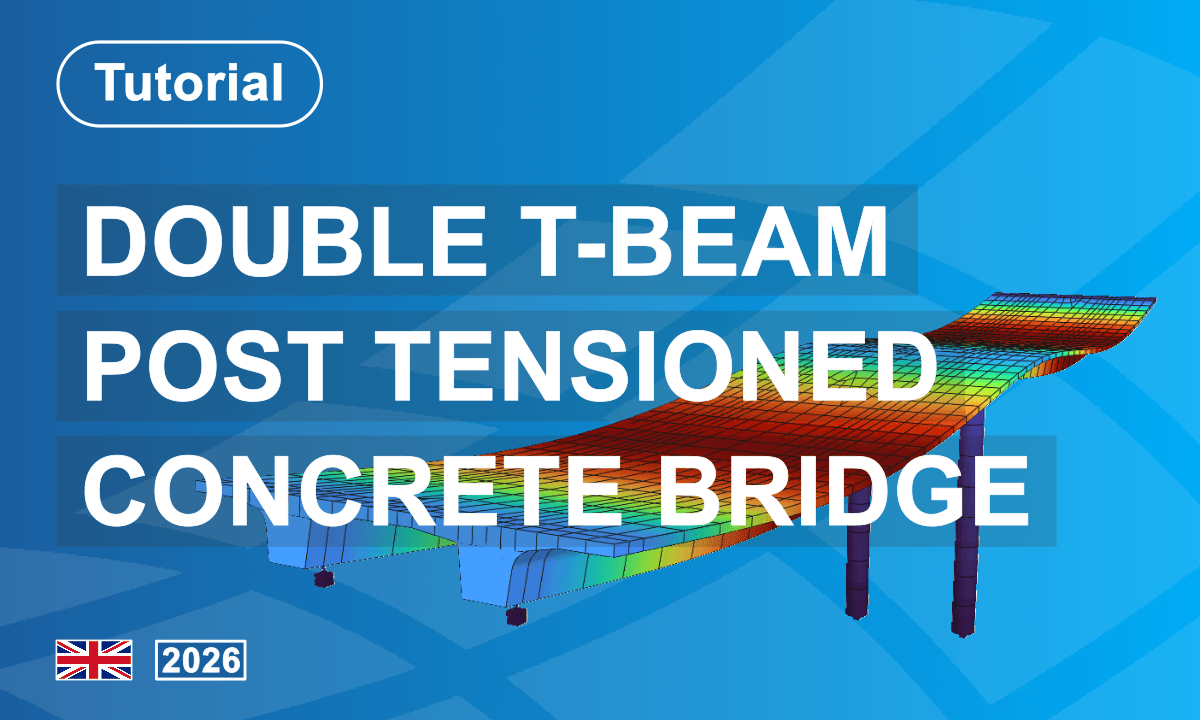
Double T-Beam Post Tensioned Concrete Bridge
- Enrolled students: 14
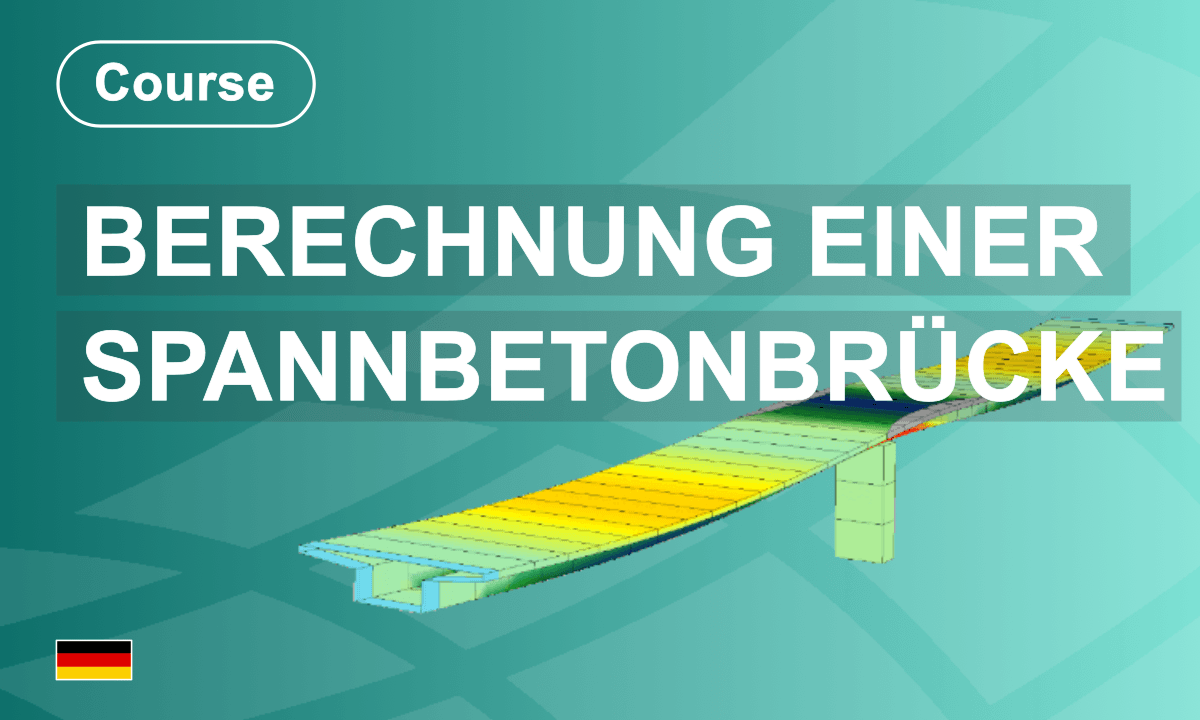
Spannbetonbrücke
Dieser Kurs vermittelt den vollständigen Workflow zur Modellierung, Berechnung und Bemessung einer Spannbetonbrücke mit SOFiSTiK.
Behandelt werden die Definition von Materialien, Querschnitten, Achsen, Lagern, Einwirkungen und Lastfällen sowie die Modellierung in SOFiPLUS und die Weiterbearbeitung im SSD. Darüber hinaus umfasst der Kurs die Berechnung mit ASE, Bauphasen mit CSM, Überlagerungen mit MAXIMA sowie die Definition und Auswertung von Vorspannung.
Ergänzend werden die Ergebnisse im Result Viewer, WINGRAF, Animator und Report Browser ausgewertet. Auch CADiNP wird eingesetzt, um technische Zusammenhänge und projektspezifische Eingaben nachvollziehbar darzustellen.
- Teacher: Guido Altersberger
- Non-editing teacher: Jost Erdmann
- Enrolled students: 12
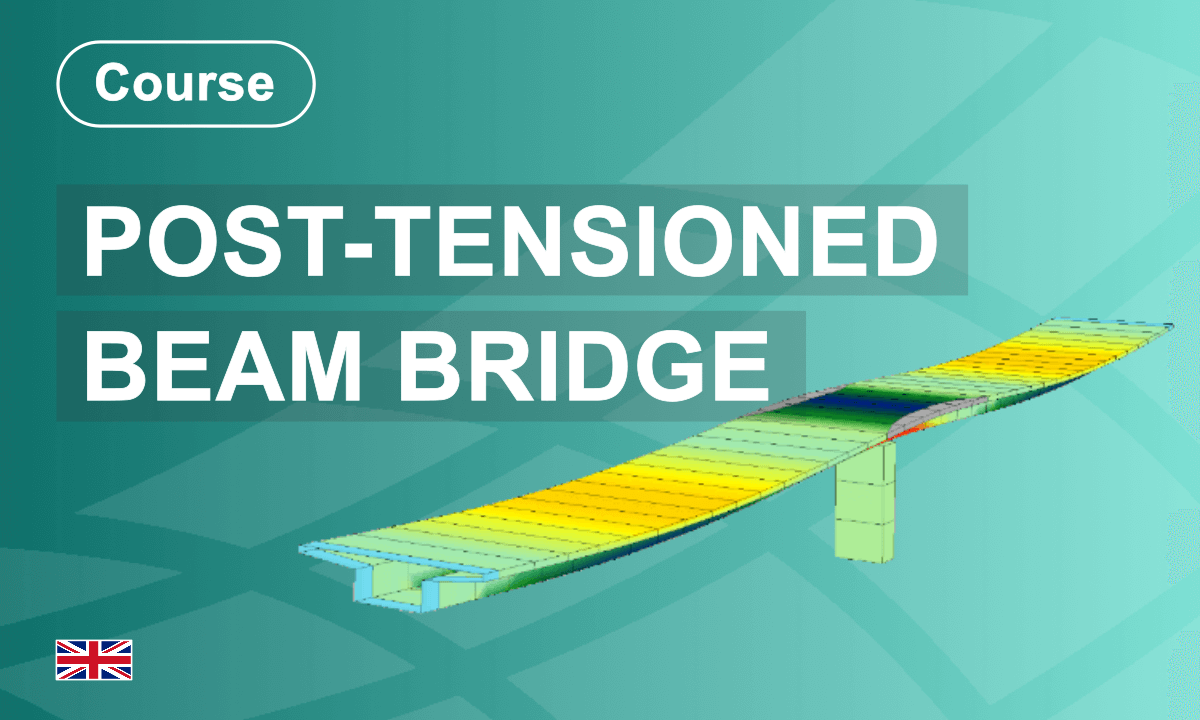
Post-Tensioned Beam Bridge
This course teaches the full bridge workflow in SOFiSTiK, from modelling and cross-section definition to prestressing, moving loads, construction stages, superpositioning, and final design checks.
Participants work with graphical tools and CADiNP to understand advanced bridge engineering processes, result interpretation, and report generation.
- Non-editing teacher: György Schmidt
- Enrolled students: 25
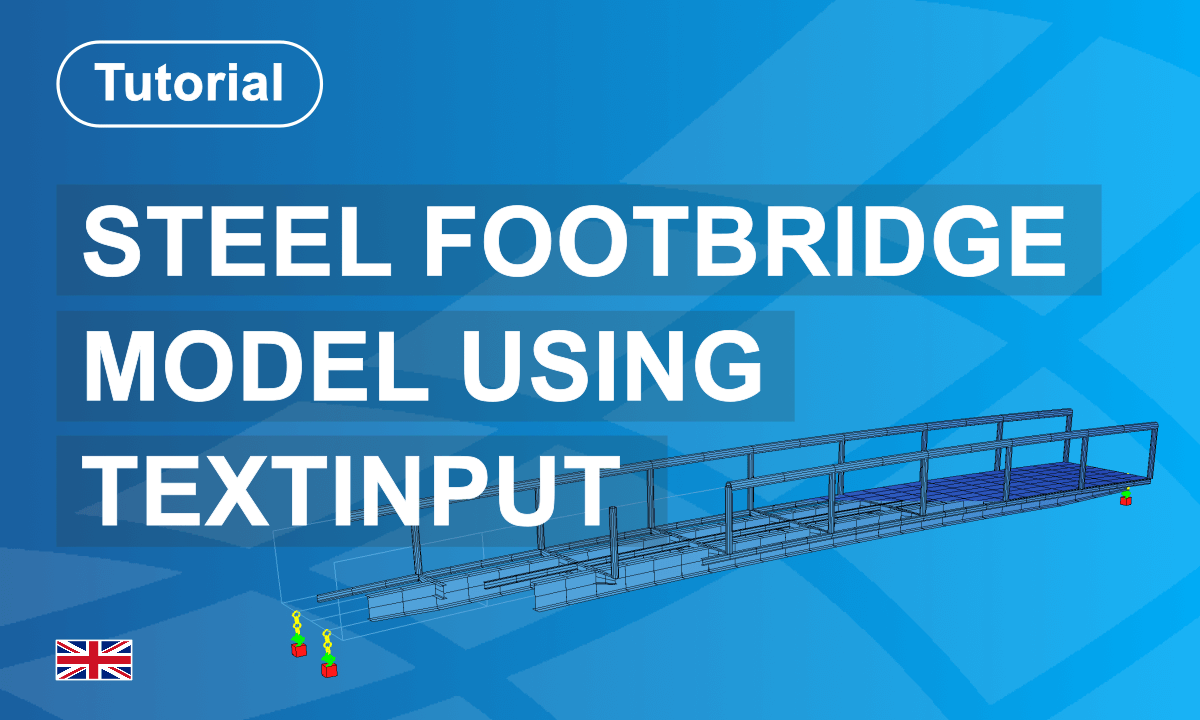
Model a Steel Footbridge using Text Input
This course introduces the workflow for modelling a steel footbridge structure using SOFiSTiK.
Starting from a practical example, you will define the design code, materials, and cross-sections before creating the structural geometry using geometric axes and structural elements. The tutorial demonstrates how to model the bridge deck, assign supports, and define loads such as self-weight. After building the structural system, you will perform structural analysis and review the bridge model’s behaviour.
By following this step-by-step process, you will learn how to create a consistent bridge analysis model and evaluate structural performance within a professional SOFiSTiK workflow.
Happy Learning!
- Non-editing teacher: Guido Altersberger
- Enrolled students: 39
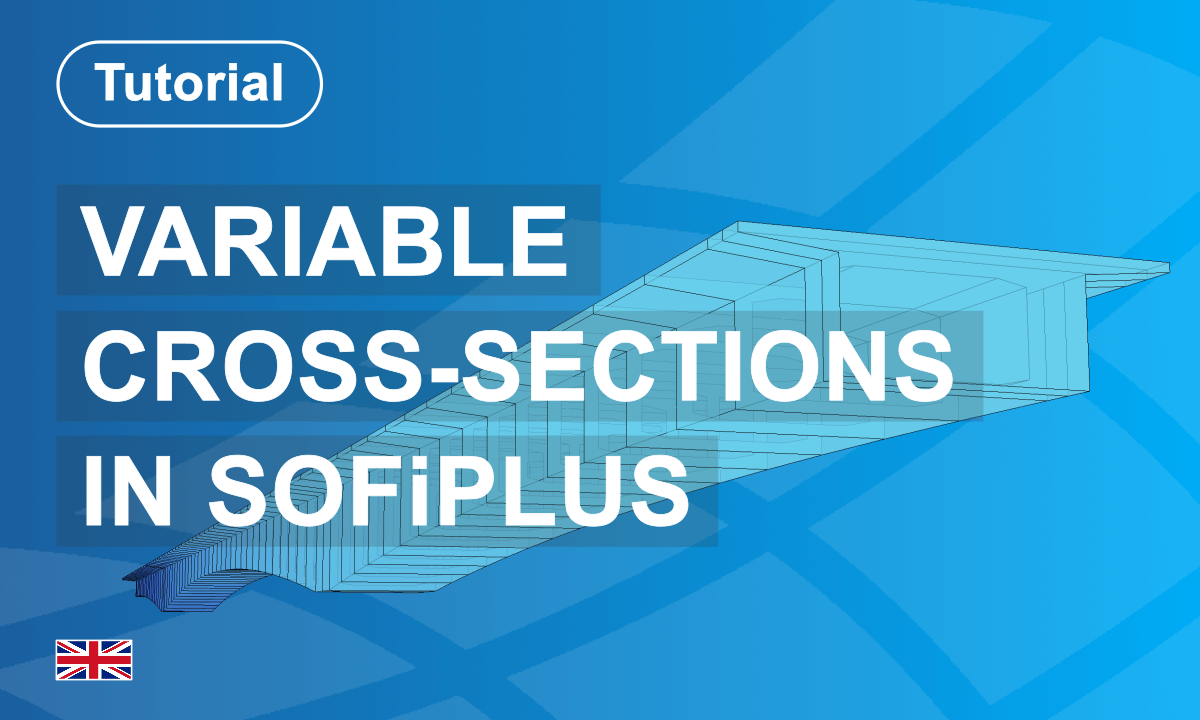
Variable Bridge Cross-Sections in SOFiPLUS
This tutorial demonstrates how to create and manage varying cross-sections in SOFiSTiK SOFiPLUS.
Starting with a new project, you will define a bridge cross-section and introduce parametric variables to control geometric properties. You will learn how to assign default values, define a geometric axis, and apply variable values along the bridge alignment. The workflow includes extending variable definitions, checking interpolated cross-sections, and working with solid section representations.
Using a practical example, the course provides a structured introduction to efficient, parameter-driven bridge modelling and ensures consistent, reliable geometric transitions throughout the structure.
- Non-editing teacher: Guido Altersberger
- Enrolled students: 6
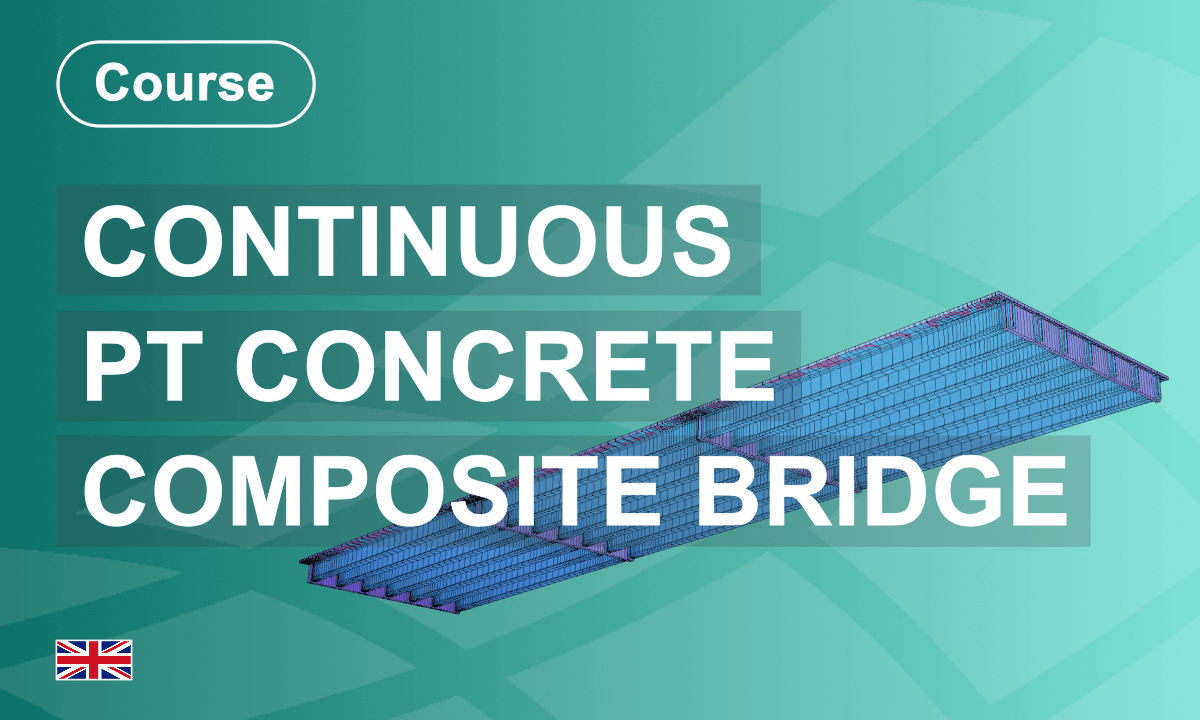
Continuous Post-Tensioned Concrete Composite Bridge
This course provides a complete workflow for modelling, analysing, and designing a prestressed bridge using SOFiSTiK.
Starting with project creation, you will define materials, cross-sections, geometry, loads, and prestressing. You will perform linear analysis, refine the structural model, and consider construction stages and traffic loading. A key focus is on load case superposition and stress design evaluation. Step by step, you will learn how to combine results correctly and assess structural performance.
By the end of the course, you will understand the full process from system definition to structural verification and professional documentation.
Happy Learning!
- Teacher: Guido Altersberger
- Enrolled students: 15
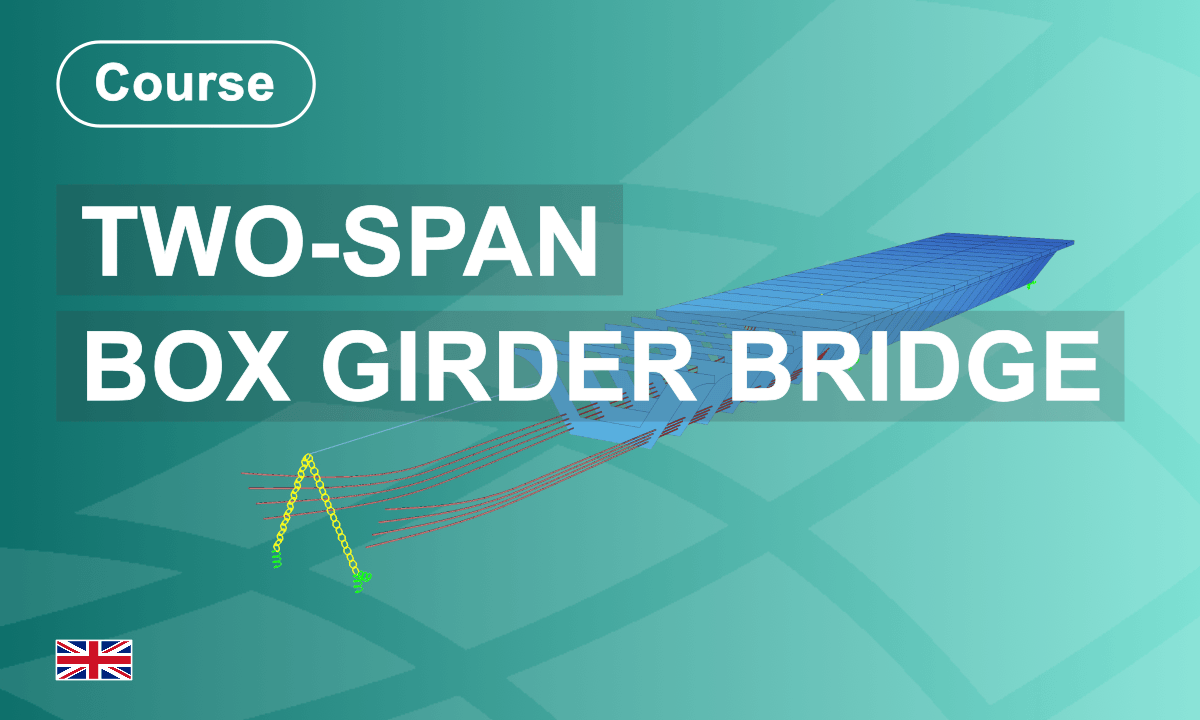
Two-Span Continuous Box Girder Bridge
Learn how to create, analyze, and evaluate a two-span continuous post-tensioned box girder bridge. You define materials, cross-sections, geometry, supports, loads, prestressing systems, and construction stages.
You model tendons, perform staged construction analysis, generate live load envelopes using load stepping, apply non-linear temperature effects, create automatic load combinations, and evaluate stresses and results. The workflow combines graphical modeling and text-based input to provide a complete bridge engineering process.
You also learn result interpretation, reporting, and verification techniques for structural behavior under permanent, variable, prestressing, temperature, and construction stage actions.
- Non-editing teacher: Guido Altersberger
- Enrolled students: 32
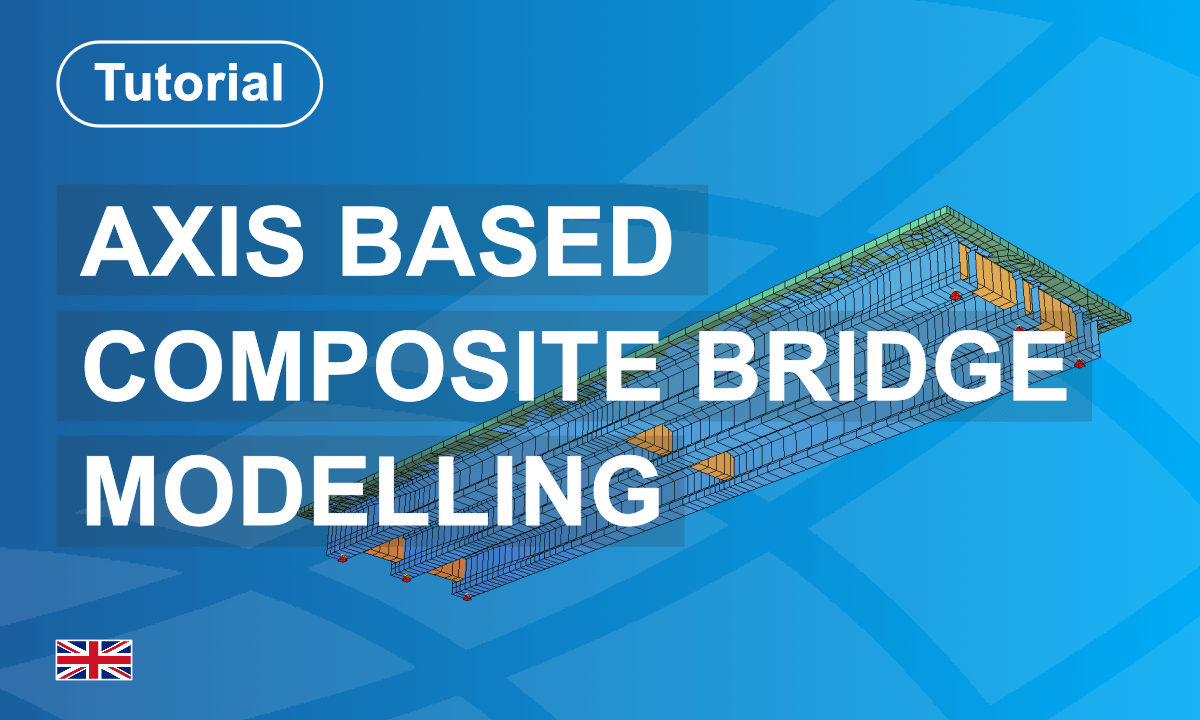
Axis Based Modelling of a Concrete Composite Bridge
Learn how to create an axis-based bridge model using Computer Aided Bridge Design (CABD).
You define girder and deck slab axes, create secondary axes, place diaphragms, establish geometric references, and control rotations for curved bridge layouts. The content demonstrates deck slab generation between placements, cantilever adjustments, diaphragm alignment, and reference management for adaptive geometry.
You also create load actions, load cases, line loads, area loads, crash barrier loads, and prestressing load cases. Finally, you verify how loads and geometry automatically follow alignment changes, enabling efficient modelling of straight and curved composite bridge structures.
- Non-editing teacher: Guido Altersberger
- Enrolled students: 41
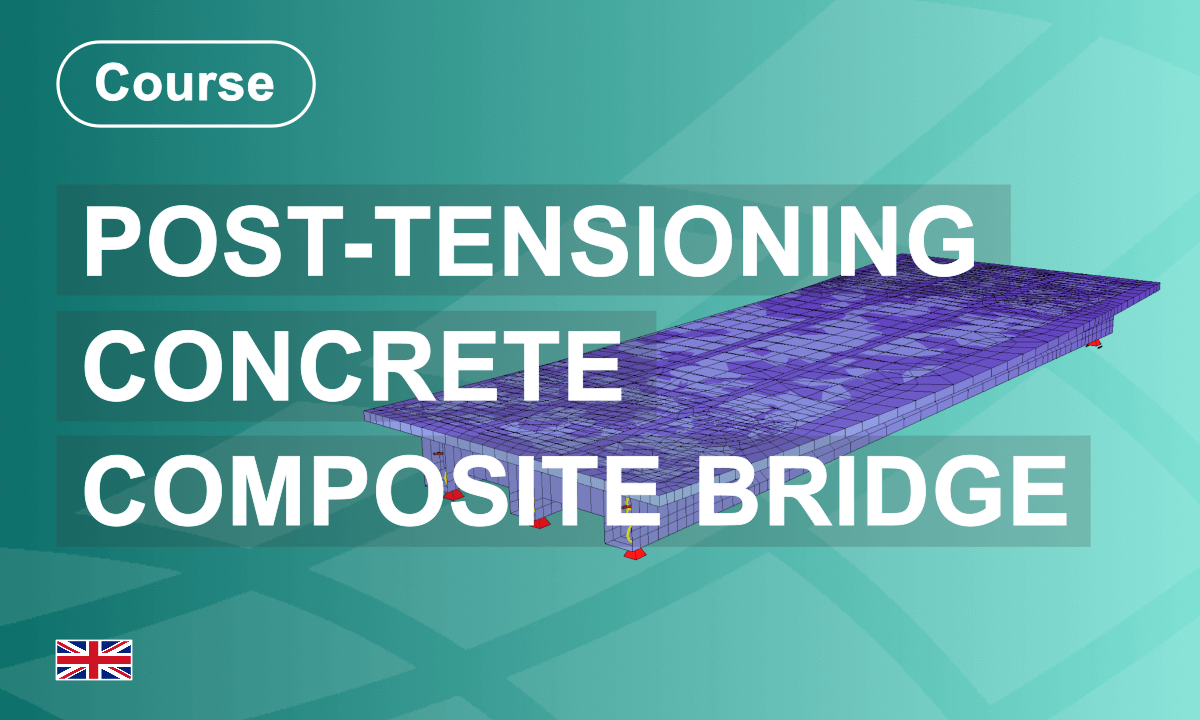
Post-Tensioned Concrete Composite Bridge
This course provides a complete workflow for modelling, analysing, and evaluating a prestressed bridge using SOFiSTiK. Starting from project creation, material and cross-section definition, you will build the structural system step by step. You will define loads, implement prestressing, perform linear analysis, and consider construction stages. The course also introduces text input, stress evaluation, and structured report generation. By combining graphical modelling and analytical verification, you will gain a comprehensive understanding of bridge analysis and professional structural assessment within an integrated engineering environment.
Happy Learning!
- Teacher: Guido Altersberger
- Enrolled students: 22
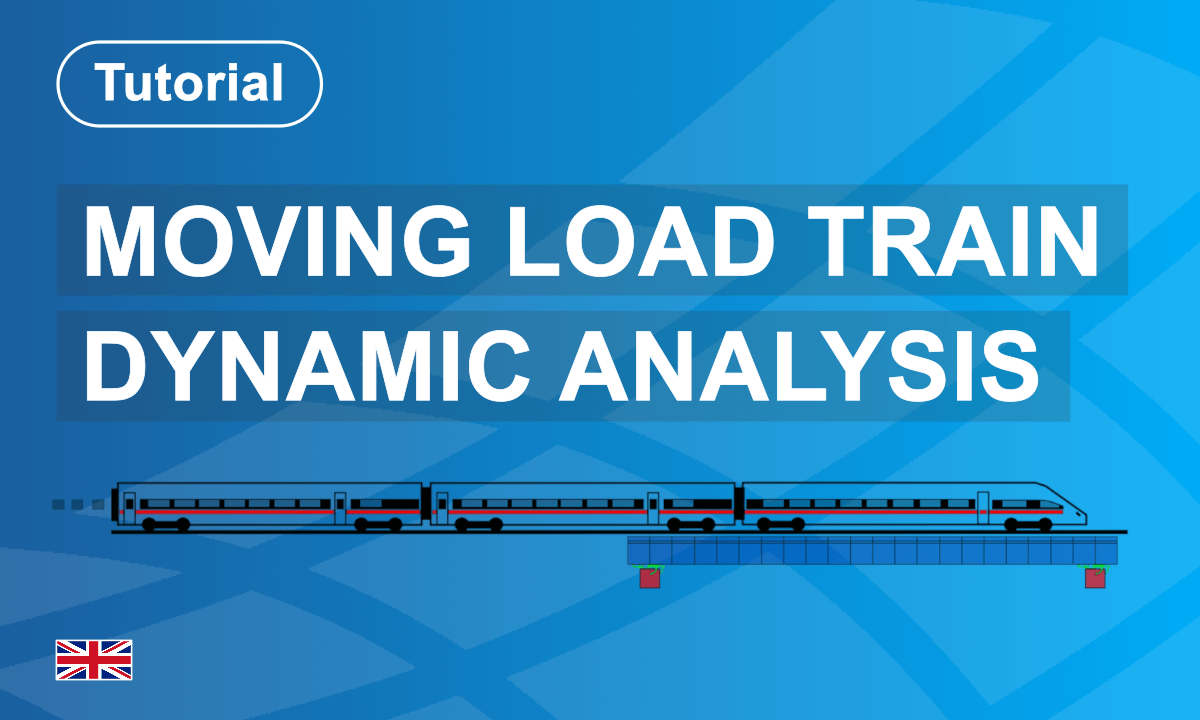
Moving Load Train – Dynamic Analysis
This course introduces modal analysis and eigenvalue extraction in SOFiSTiK FEA, referencing EN 1991-2, Section 6.4.6, and UIC Code 776-2, Section A.6.1.
You will learn how to define the structural system, prepare the model for dynamic analysis, calculate eigenmodes, and interpret results correctly. Step by step, you will understand how stiffness, mass distribution, and boundary conditions influence structural vibration behaviour. The course combines theoretical fundamentals with practical workflows, enabling you to confidently perform eigenvalue analyses for railway bridge verification and dynamic compliance with European standards. You will also learn how to calculate eigenfrequencies and mode shapes, define load trains, perform dynamic analyses for train passages, and postprocess results using time histories and envelopes.
- Teacher: Guido Altersberger
- Enrolled students: 19
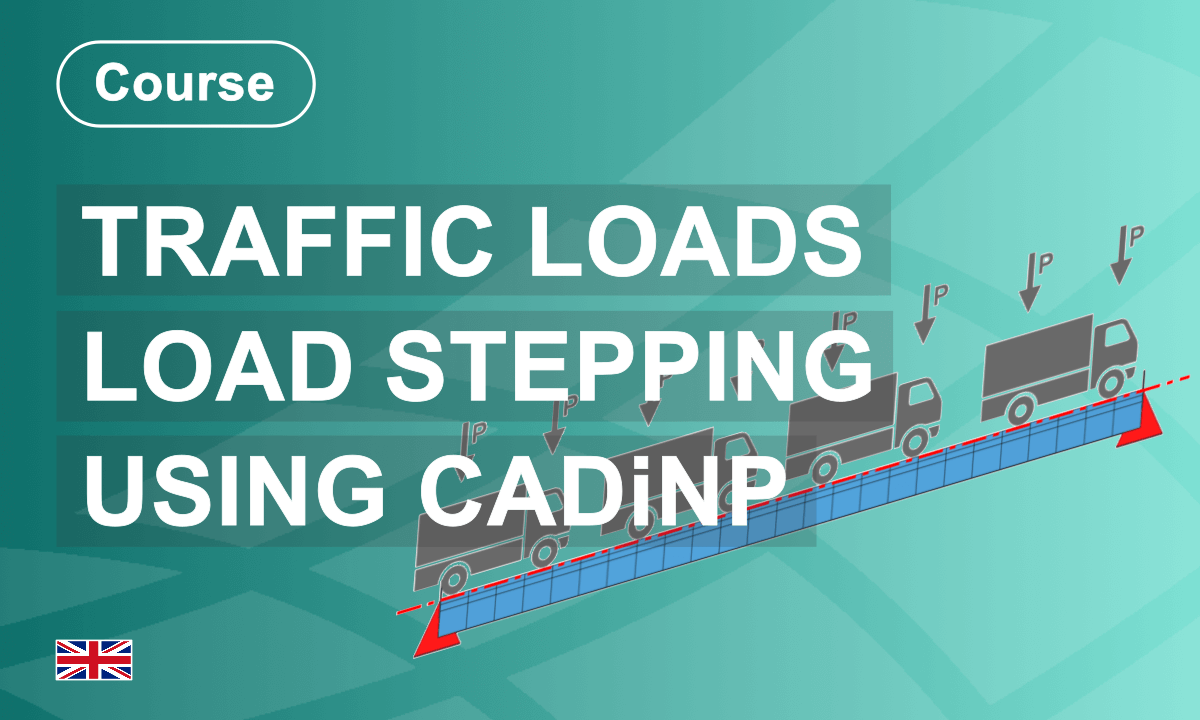
Traffic Loads – Load Stepping using CADiNP
In this course, you will learn the complete workflow of Load Stepping in SOFiSTiK and how to implement it effectively using text-based input. Starting with fundamental concepts, the course explains how Load Stepping differs from the commonly used influence line method, using the ELLA module as a basis.
You will understand how to define lanes, select load trains, and manually position traffic loads before performing linear analysis and generating result envelopes. The lessons also introduce the use of variables to improve workflow efficiency and flexibility.
Through simplified examples, you will learn the key inputs and principles required to apply Load Stepping to real bridge projects with confidence.
Enjoy the Course!
- Teacher: Guido Altersberger
- Enrolled students: 25
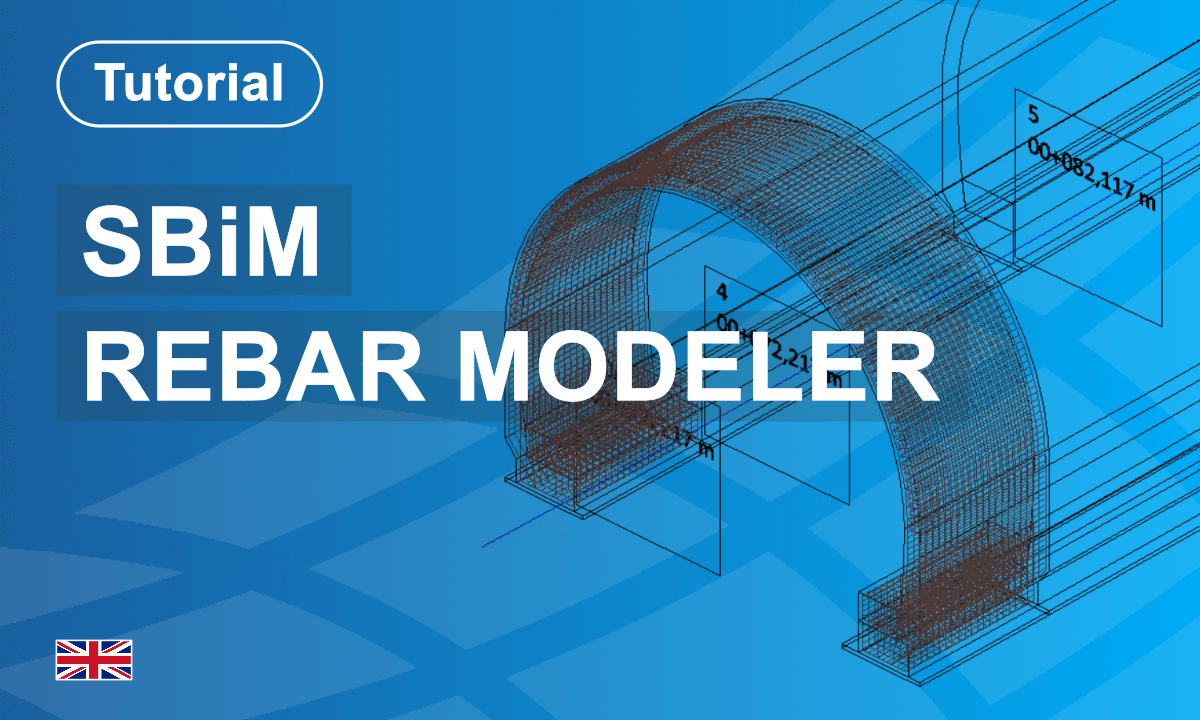
SBiM - Rebar Modeler
This tutorial series introduces the SOFiSTiK Rebar Modeler workflow, covering shape modelling, system-based reinforcement placement, duplication strategies, and splicing techniques.
You will learn how to efficiently create, modify, and manage reinforcement systems while maintaining parametric control and design consistency. Practical use cases demonstrate how to streamline repetitive tasks, optimise detailing workflows, and ensure accurate reinforcement modelling within complex structural elements.
- Non-editing teacher: Shadi Razzouk
- Enrolled students: 9
SBiM - Tendon Modeler
Unlock the power of efficient tendon modelling with the SOFiSTiK Tendon Modeler. This course introduces advanced workflows for managing tendons in bridge and infrastructure projects with greater speed and flexibility. You will learn how to organise tendon clusters, apply changes across multiple tendons, and define precise layouts using dynamic reference points.
The course also covers adaptive paths, tendon placement along axes, and modelling strategies for both straight and curved alignments. Through practical examples, you will develop a clear understanding of how to control geometry, optimise layouts, and improve overall modelling efficiency within a professional SOFiSTiK workflow.
- Non-editing teacher: Martin Siffling
- Enrolled students: 11

Tips and Tricks – Bridge + Infrastructure Modeler
Diese kuratierte Sammlung von Funktionsvideos für SOFiSTiK Bridge + Infrastructure Modeler führt Sie durch wichtige Funktionen und zeigt, wie und wann Sie diese in Ihrem täglichen Ingenieuralltag einsetzen können.
Alle Videos sind auf Deutsch verfügbar und mit englischen sowie französischen Untertiteln versehen.
- Teacher: Guido Altersberger
- Non-editing teacher: Martin Siffling
- Enrolled students: 8
Seismic Nonlinear Time-History Analysis
This course presents a complete workflow for performing seismic nonlinear time-history analysis of a reinforced concrete bridge pier using SOFiSTiK. Participants learn how to model material nonlinearity through plastic hinges, define hysteretic behaviour with the Modified Takeda model, and apply strain- and rotation-based performance criteria.
The tutorial guides users through the full analysis chain, from linear static and modal analyses to nonlinear dynamic simulation under real earthquake excitation (El Centro record). Key steps include damping definition, effective stiffness reduction, and time integration with adaptive convergence control.
Post-processing focuses on interpreting hinge behaviour, displacements, and performance level exceedance to assess structural safety and seismic performance. The course emphasizes performance-based evaluation and realistic interaction of static, modal, and dynamic analyses for reinforced concrete bridge structures.
- Non-editing teacher: Igor Kavrakov
- Enrolled students: 12
Parametric Revit Families for SOFiSTiK Bridge + Infrastructure Modeler
This course guides you through 12 compact lessons that build a complete understanding of creating and placing parametric families using the SOFiSTiK Bridge + Infrastructure Modeler. From the fundamentals of adaptive points and interval placement to curvature-aware tunnel segments driven by θ/φ variables, you will develop practical, reusable components for infrastructure projects.
- Non-editing teacher: Florian Hemetsberger
- Enrolled students: 22
SOFiSTiK Bridge + Infrastructure Modeler - Guide de démarrage
L’application SOFiSTiK Bridge + Infrastructure Modeler pour Autodesk Revit vous aide à créer des géométries d’infrastructure en 3D directement dans Autodesk Revit et met à votre disposition des outils pour l’élaboration des plans d’exécution.
- Teacher: Krishen MARK
- Enrolled students: 8
SOFiSTiK Bridge + Infrastructure Modeler - Erste Schritte
Der SOFiSTiK Bridge + Infrastructure Modeler für Autodesk Revit unterstützt Sie bei der Erstellung dreidimensionaler Infrastrukturgeometrien direkt in Autodesk Revit und stellt Werkzeuge zur Ausarbeitung von Werkstattzeichnungen bereit.
- Non-editing teacher: Florian Hemetsberger
- Enrolled students: 6
SOFiSTiK Bridge + Infrastructure Modeler – Getting Started
The SOFiSTiK Bridge + Infrastructure Modeler for Autodesk Revit App helps you create 3-dimensional infrastructure geometries directly inside Autodesk Revit and provides tools for developing shop drawings.
- Non-editing teacher: Florian Hemetsberger
- Enrolled students: 18
Composite Bridge acc. EN 1994-2
This tutorial introduces the workflow for designing a composite bridge using SOFiSTiK FEA 2026. The focus is on performing key design checks for composite bridges according to EN 1994-2.
- Teacher: Guido Altersberger
- Enrolled students: 41
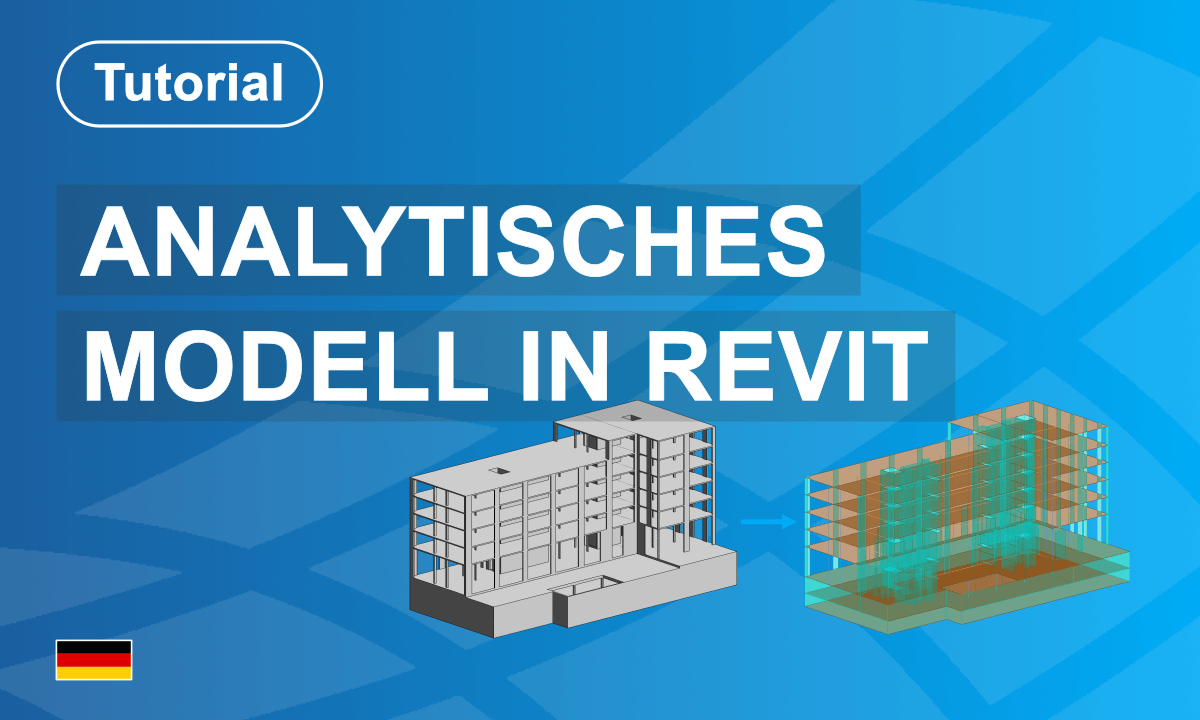
Generierung eines analytischen Modells in Revit
Lernen Sie, wie Sie mit dem Analytical Model Generator aus einem physischen Autodesk Revit-Modell ein analytisches Modell erstellen. Sie bereiten Tragwerkselemente vor, filtern diese, konfigurieren Erzeugungseinstellungen, erstellen analytische Elemente und prüfen die Modellqualität vor der Analyse.
Das Tutorial erläutert automatische Filterung, Vorlagenverwaltung, Erzeugungsoptionen, Koordinationsprüfungen, analytische Qualitätsprüfungen und Berichtswerkzeuge. Außerdem lernen Sie, analytische Elemente anzupassen, mehrere Auflagerbedingungen zu erstellen und Lasten effizient zu definieren.
Nach Abschluss des Workflows können Sie konsistente analytische Modelle erzeugen, Modellierungsprobleme erkennen und zuverlässige Modelle für die Finite-Elemente-Analyse und Bemessung vorbereiten.
- Enrolled students: 24
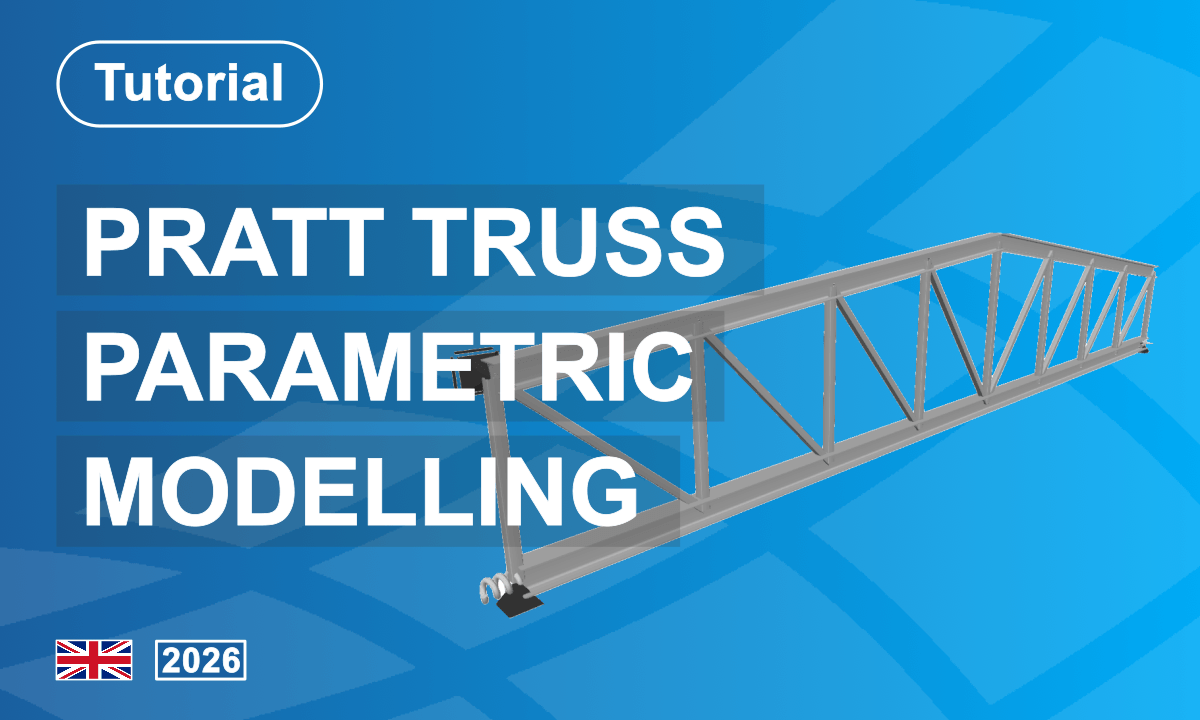
Parametric Pratt Truss Modelling in Grasshopper
This course demonstrates the creation of a parametric Pratt truss model using the Rhino Interface 2026 environment. Users learn how to define truss geometry, generate structural members, assign analytical properties, and prepare the model for structural analysis. The workflow focuses on efficient modelling techniques, geometry control, and data exchange between Rhino and structural analysis components. The tutorial also introduces parameter-driven adjustments for rapid design iterations and improved modelling productivity. By the end of the course, participants can create and modify truss systems efficiently while maintaining a structured analytical workflow suitable for engineering applications and conceptual structural design studies.
- Non-editing teacher: Dariusz Garas
- Enrolled students: 18
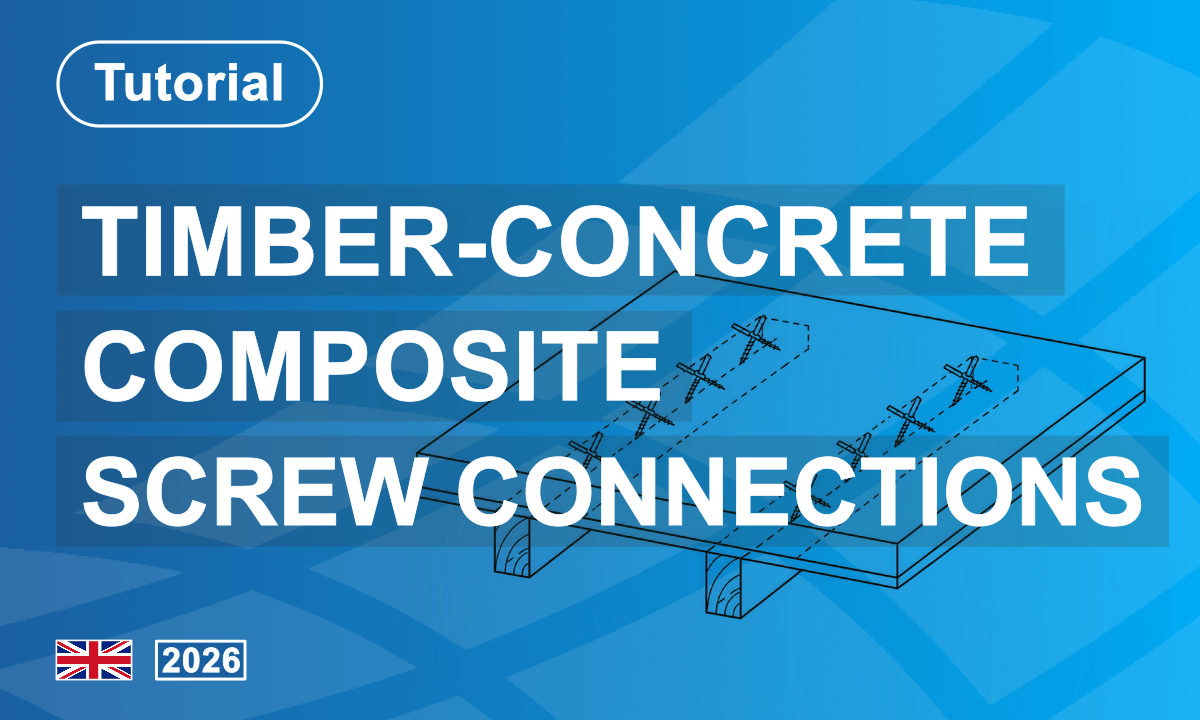
Timber–Concrete Composite Slabs with Screw Connections
This course presents the structural modelling and design workflow for timber-concrete composite slabs using SCR connections. Participants learn how to define composite action, material properties, connection stiffness, and load transfer behaviour for hybrid slab systems. The content explains modelling strategies, analysis procedures, and design verification methods for serviceability and ultimate limit states. Practical examples demonstrate efficient handling of composite floor systems and interpretation of structural results. The course supports engineers involved in timber engineering, hybrid structures, and modern sustainable building design using integrated analysis and design workflows for composite slab applications.
- Non-editing teacher: Janina Quernheim
- Enrolled students: 11

Steel Portal Frame Analysis
This course demonstrates the modelling, analysis and design workflow of a portal frame using SOFiSTiK 2026. Users learn how to define the structural system, assign materials and cross sections, apply loads and evaluate analysis results. The tutorial also explains load combinations, design checks and graphical result interpretation within the SOFiSTiK environment. Practical engineering steps are presented to support efficient structural modelling and verification of steel or reinforced concrete portal frame systems. After completing the course, users will be able to create a complete portal frame workflow from model generation to structural assessment and documentation using standard SOFiSTiK tools and interfaces.
Dieser Kurs zeigt den Modellierungs-, Analyse- und Bemessungsworkflow eines Stahl-Portalrahmens. Anwender lernen, das Tragwerkssystem zu definieren, Materialien und Querschnitte zuzuweisen, Lasten anzusetzen und die Analyseergebnisse auszuwerten. Das Tutorial erläutert außerdem Lastkombinationen, Bemessungsnachweise sowie die grafische Interpretation der Ergebnisse. Praxisorientierte Arbeitsschritte unterstützen die effiziente Tragwerksmodellierung und Nachweisführung von Stahl- oder Stahlbeton-Portalrahmen. Nach Abschluss des Kurses können Anwender einen vollständigen Workflow vom Modellaufbau bis zur statischen Bewertung und Dokumentation mit den Standardwerkzeugen und Schnittstellen von SOFiSTiK erstellen.{mlang}
- Enrolled students: 23
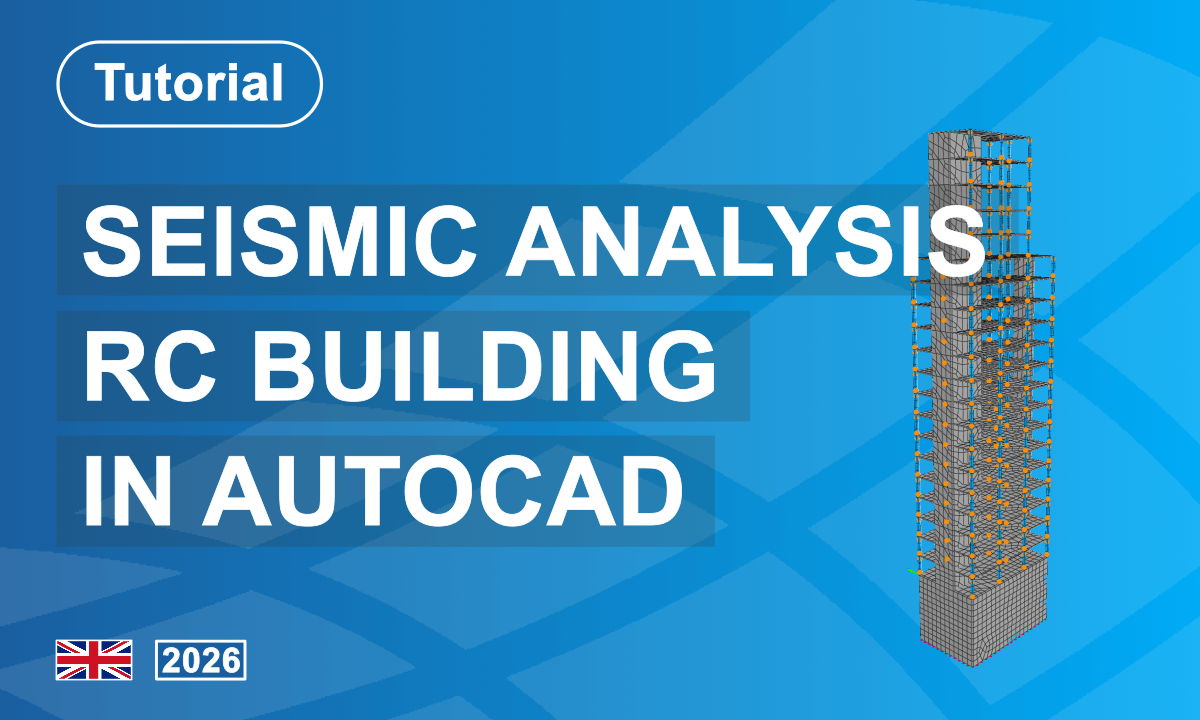
Reinforced Concrete Building Seismic Analysis in AutoCAD
This course demonstrates the seismic analysis workflow for a reinforced concrete building using SOFiSTiK SOFiPLUS. Participants learn how to create the structural model, define materials and loads, apply seismic actions according to relevant standards, and evaluate dynamic structural behavior. The content covers modal analysis, load combinations, result interpretation, and verification of structural response under earthquake loading. Typical modelling strategies and analysis settings are presented to improve accuracy and efficiency in practical projects. The course supports engineers in understanding seismic behavior and performing reliable dynamic analysis of reinforced concrete buildings within the SOFiSTiK environment.
- Non-editing teacher: Filip Orsanic
- Enrolled students: 14
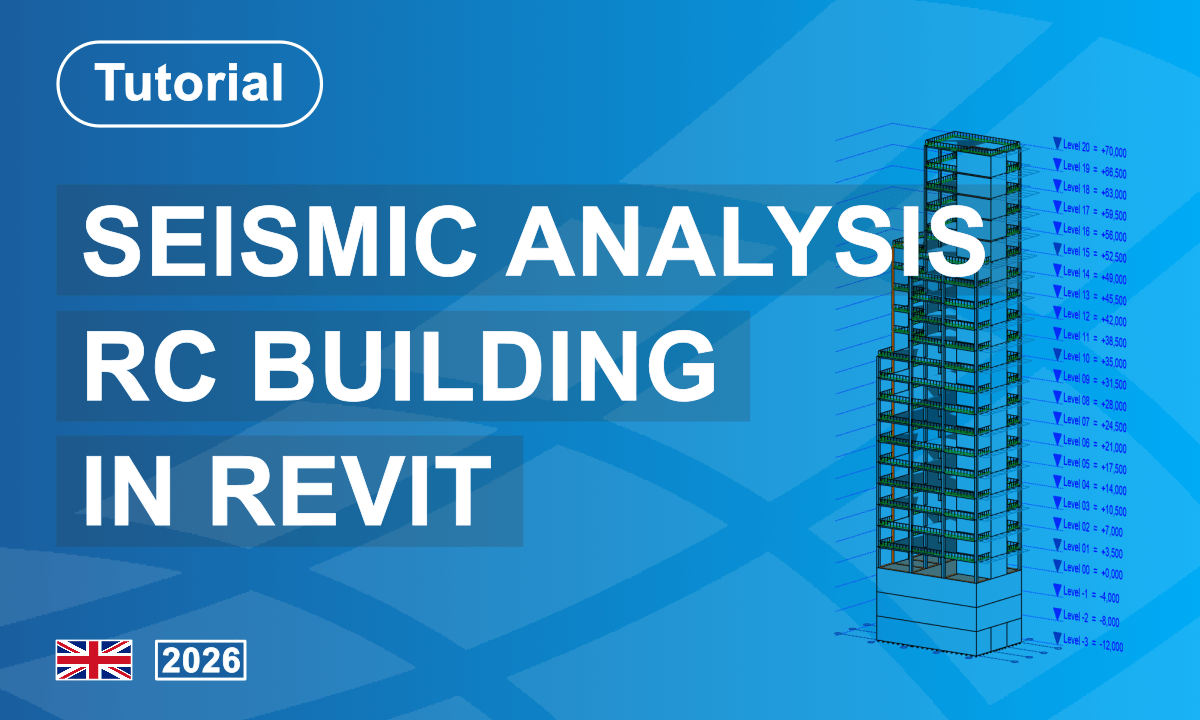
Reinforced Concrete Building Seismic Analysis in Revit
This course presents the seismic analysis workflow for a reinforced concrete building using SOFiSTiK. The content covers structural modelling, definition of material properties, load application, seismic actions, and analysis procedures according to common engineering practice. Participants learn how to evaluate structural response, interpret analysis results, and review critical design parameters for reinforced concrete structures subjected to earthquake loading. The workflow also demonstrates efficient model organization and result evaluation within the SOFiSTiK environment. The course is intended for structural engineers seeking practical knowledge for seismic assessment and analysis of multistorey reinforced concrete buildings using integrated modelling and analysis tools.
- Enrolled students: 10
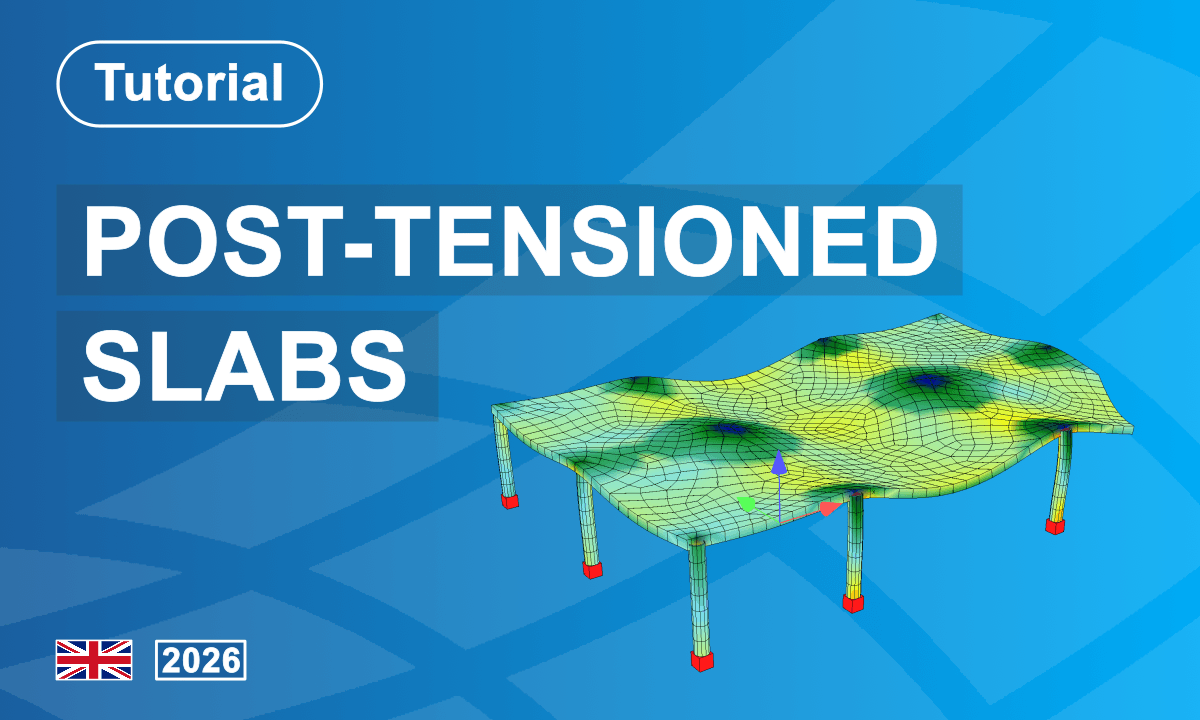
Post-Tensioned Slab Modelling and Analysis in Revit
This tutorial explains the complete workflow for modelling, analysing and evaluating post-tensioned concrete slabs using SOFiSTiK Analysis + Design and SOFiSTiK Structural Desktop. The content covers prestressing system definition, tendon projection modelling, tendon station creation, tendon elevation control, finite element model generation and staged construction analysis. Participants learn how to configure prestressing properties, define tendon layouts, calculate tendon geometry and review tendon stresses and forces in reports, GRAPHIC and Viewer. The tutorial also explains automatic and user-defined tendon layouts as well as efficient modelling techniques for multiple tendons in Revit-based PT slab projects.
- Non-editing teacher: Florian Hemetsberger
- Enrolled students: 16
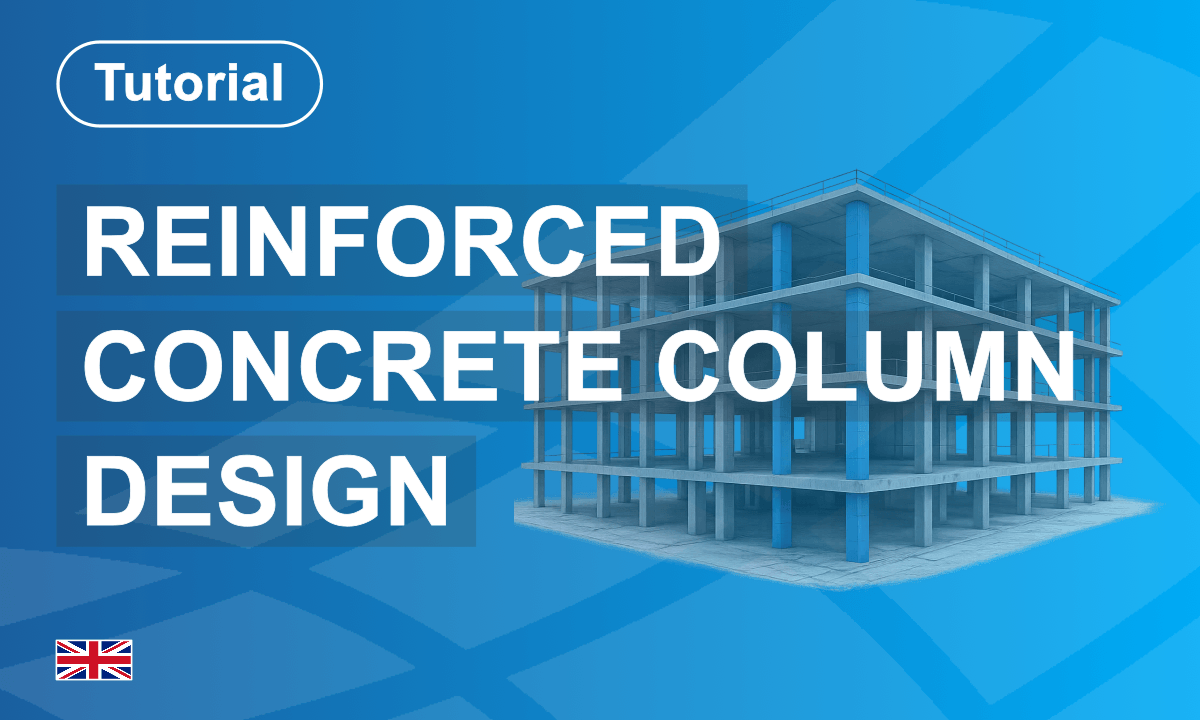
Reinforced Concrete Column Design
This tutorial demonstrates a complete workflow for managing reinforced concrete columns in a Revit-based project using SOFiSTiK Analysis + Design and the SOFiSTiK Structural Desktop (SSD). It covers the organisation of column data, the application of design workflows, and the evaluation of results to support an efficient and transparent design process.
- Non-editing teacher: Janina Quernheim
- Enrolled students: 14

Timber–Concrete Composite Slabs with Shear Notches
This course explains the modelling, analysis, and design workflow for single-span timber–concrete composite (TCC) slabs with shear notch connections using the Rautenstrauch truss model in SOFiSTiK.
Participants learn how to generate parametric truss models with Rhino Grasshopper, CADINP, or SOFiPLUS, define material stiffness for short- and long-term behaviour, and perform linear analysis with time-dependent effects.
The course covers ULS and SLS verification, including stress checks, crack-width limitation, deflection, vibration analysis, and reinforcement design in accordance with DIN CEN/TS 19103 and Eurocode standards. Export of shear notch forces for external verification is also demonstrated.
- Non-editing teacher: Janina Quernheim
- Enrolled students: 4
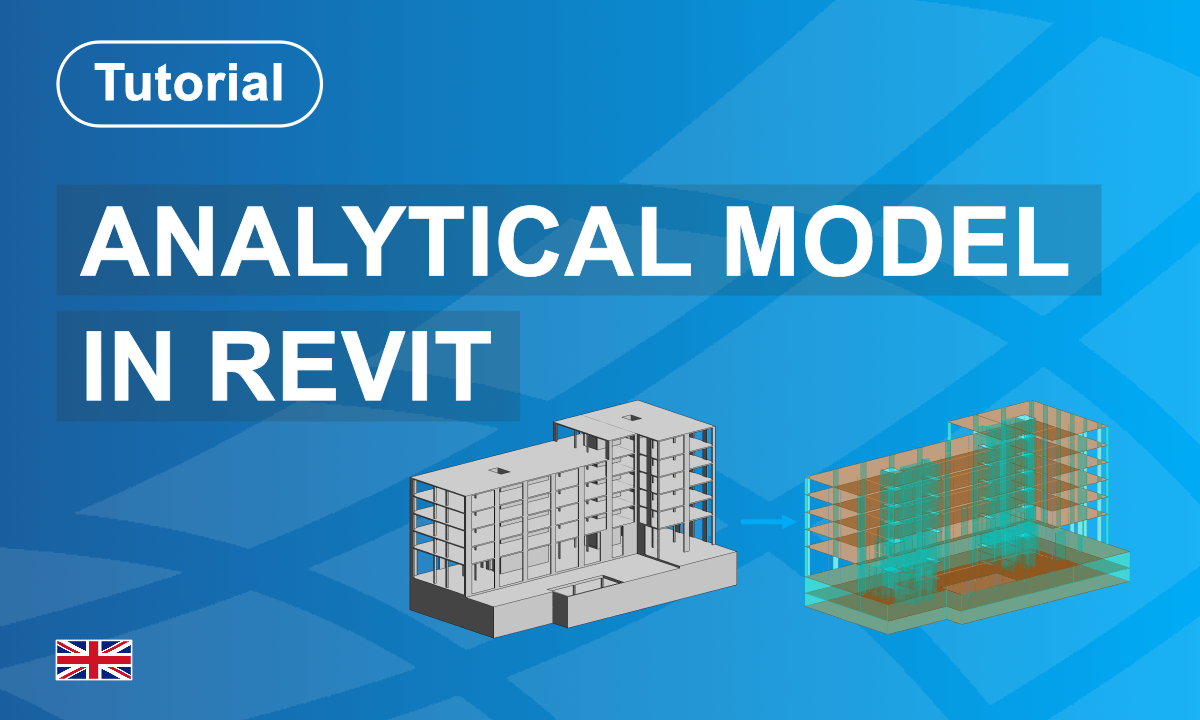
Analytical Modeling in Revit
This written tutorial explains how to work with analytical models in Autodesk Revit and prepare structural elements for reliable analysis workflows.
It covers the relationship between physical and analytical representations, demonstrates how to detect inconsistencies, and shows how to adjust element connectivity for walls, slabs, beams, and columns. Special attention is given to alignment settings, analytical correction tools, and model preparation before export to SOFiSTiK Structural Desktop.
The tutorial supports a clear understanding of how analytical behaviour is represented inside Revit and how to improve model quality before structural analysis.
- Non-editing teacher: Florian Hemetsberger
- Enrolled students: 10
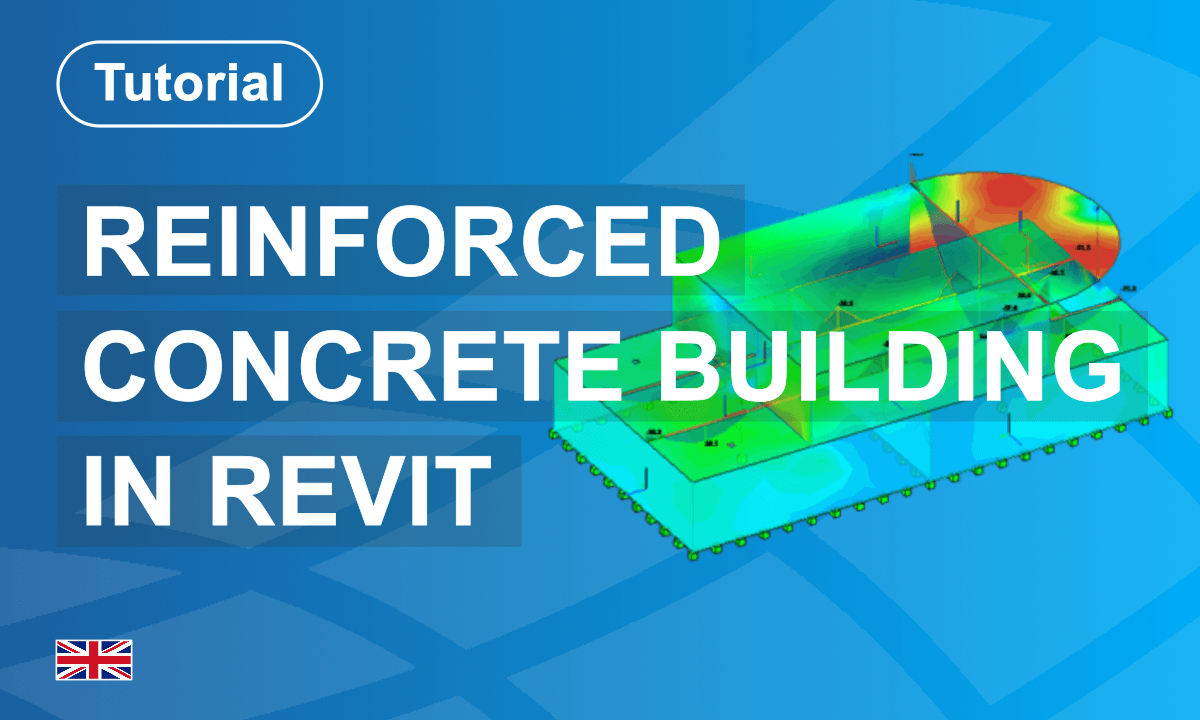
Reinforced Concrete Building in Revit
This course introduces structural analysis and reinforced concrete design in Autodesk Revit using SOFiSTiK Analysis + Design.
You will learn how to generate an analytical model directly from an existing BIM model, enabling efficient reuse of project data. The course demonstrates how to prepare models for both global structural analysis and local investigations, perform linear analysis, evaluate load transfer, and design reinforced concrete elements.
Finally, you will review, visualise, and share results to support efficient documentation and collaboration within a BIM-based workflow. The course also presents the general workflow for modelling building projects in Revit using SOFiSTiK Analytical Model Generator and SOFiSTiK Analysis + Design.
Happy Learning!
- Non-editing teacher: Xavier Martin
- Enrolled students: 14
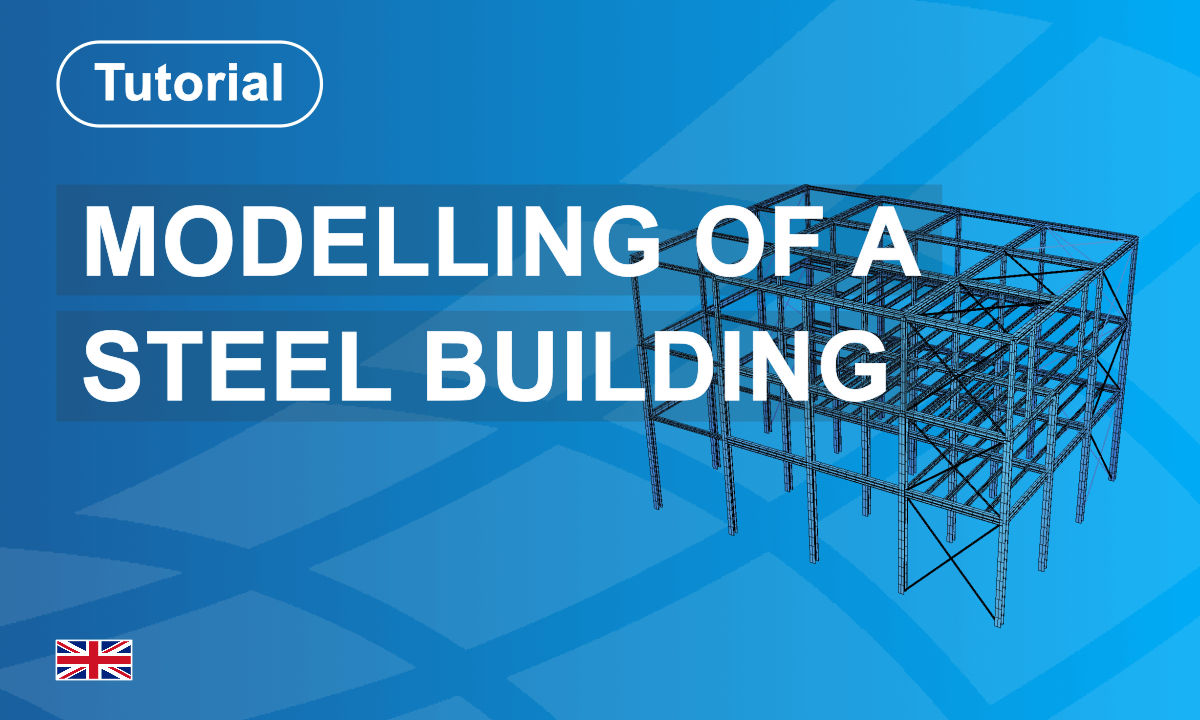
Model a Steel Building in SOFiPLUS
This course introduces the complete workflow for steel structure analysis using SOFiSTiK.
Starting with project setup, you will define materials, cross-sections, and structural geometry, then apply loads and boundary conditions. The training demonstrates how to perform structural analysis and evaluate internal forces and structural behaviour. A key part of the workflow is exporting the structural model using the Structural Analysis Format (SAF). This enables seamless IDEA StatiCa integration, allowing the calculated internal forces to be transferred for detailed connection design workflows. By the end of the course, you will understand how to analyse steel structures and exchange structural data efficiently between analysis and connection design tools.
Happy Learning!
- Non-editing teacher: Guido Altersberger
- Enrolled students: 22
SOFiSTiK Reinforcement - Guide de démarrage
Ce guide Premiers pas vous présente les flux de travail de base et les outils essentiels de SOFiSTiK Reinforcement dans Autodesk Revit.
Êtes-vous déjà un utilisateur expérimenté de Revit et familiarisé avec la modélisation et le coffrage ? Il est maintenant temps de passer à l’étape suivante vers le ferraillage professionnel.
Dans cette introduction structurée, vous apprendrez à placer, modifier et documenter efficacement les armatures à l’aide d’outils BIM intelligents. Vous découvrirez les armatures pilotées par forme et les armatures libres, travaillerez avec des ensembles d’armatures, générerez des listes de façonnage et produirez des plans clairs, prêts pour l’exécution.
L’accent est mis sur des flux de travail pratiques et orientés vers l’application, vous permettant de passer en toute fluidité de la modélisation pure à la planification détaillée des armatures. En combinant l’environnement de modélisation de Revit avec les fonctionnalités spécialisées de SOFiSTiK Reinforcement, vous construirez une base solide pour un ferraillage précis, efficace et basé sur le modèle.
Ce guide Premiers pas vous fournit les bases nécessaires pour commencer à travailler avec SOFiSTiK Reinforcement en toute confiance dans vos projets BIM quotidiens.
- Teacher: Krishen MARK
- Enrolled students: 9
SOFiSTiK Reinforcement - Erste Schritte
Diese Erste Schritte führen Sie in die grundlegenden Workflows und wesentlichen Werkzeuge von SOFiSTiK Reinforcement in Autodesk Revit ein.
Sind Sie bereits ein erfahrener Revit-Anwender und mit Modellierung sowie Schalungsplanung vertraut? Dann ist jetzt der richtige Zeitpunkt, den nächsten Schritt in Richtung professioneller Bewehrungsdetailplanung zu gehen.
In dieser strukturierten Einführung lernen Sie, Bewehrung mithilfe intelligenter BIM-basierter Werkzeuge effizient zu platzieren, zu bearbeiten und zu dokumentieren. Sie arbeiten mit formbasierter und freier Bewehrung, nutzen Bewehrungssätze, erstellen Biegelisten und erzeugen klare, ausführungsreife Pläne.
Der Fokus liegt auf praxisnahen, anwendungsorientierten Workflows, die Ihnen den Übergang von der reinen Modellierung zur detaillierten Bewehrungsplanung erleichtern. Durch die Kombination der Revit-Modellierungsumgebung mit den spezialisierten Funktionen von SOFiSTiK Reinforcement schaffen Sie eine solide Grundlage für eine präzise, effiziente und modellbasierte Bewehrungsdetailierung.
Diese Erste Schritte vermitteln Ihnen die notwendigen Grundlagen, um sicher und souverän mit SOFiSTiK Reinforcement in Ihren täglichen BIM-Projekten zu arbeiten.
Viel Spass beim Lernen!
- Non-editing teacher: Florian Hemetsberger
- Enrolled students: 11
SOFiSTiK Reinforcement - Getting Started
This Getting Started guide introduces you to the basic workflows and essential tools of SOFiSTiK Reinforcement in Autodesk Revit.
Are you already an experienced Revit user and familiar with modeling and formwork? Now it’s time to take the next step into professional reinforcement detailing.
In this structured introduction, you will learn how to efficiently place, modify, and document reinforcement using intelligent BIM-based tools. You will explore shape-driven and free-form reinforcement, work with reinforcement sets, generate bending schedules, and produce clear, construction-ready drawings.
The focus is on practical, hands-on workflows that help you transition smoothly from pure modeling to detailed reinforcement planning. By combining Revit’s modeling environment with the specialized capabilities of SOFiSTiK Reinforcement, you will build a solid foundation for accurate, efficient, and model-based reinforcement detailing.
This Getting Started guide provides you with the fundamentals you need to confidently begin working with SOFiSTiK Reinforcement in your daily BIM projects.
- Non-editing teacher: Florian Hemetsberger
- Enrolled students: 16
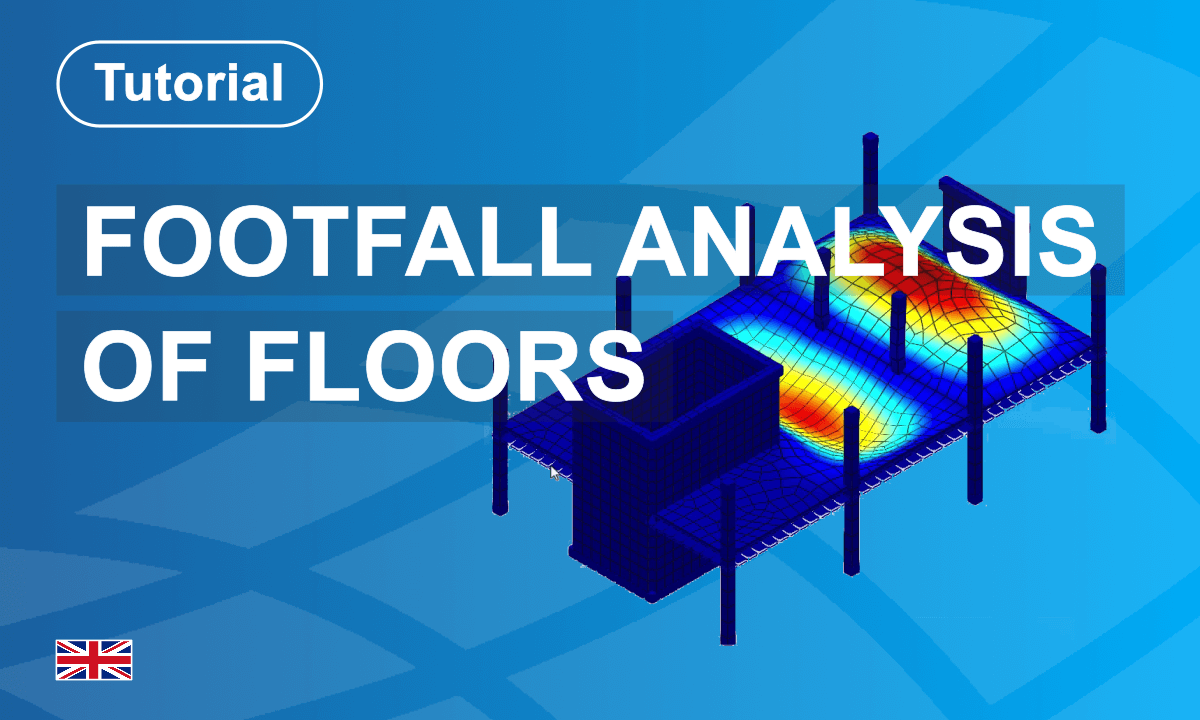
Footfall Analysis of Floors
This tutorial focuses on footfall analysis, evaluating human-induced vibrations from walking or running with emphasis on serviceability and occupant comfort. You will learn how to define floor subsystems, perform modal analysis, and carry out footfall analysis within SOFiSTiK. The workflow includes selecting relevant floors, defining boundary conditions, converting load cases to mass, and analysing excitation and response behaviour.
The course also explains how to interpret response factors and assess comfort levels according to CCIP-016 and SCI P354 guidelines, ensuring reliable evaluation of vibration performance in building structures.
- Non-editing teacher: Filip Orsanic
- Enrolled students: 12
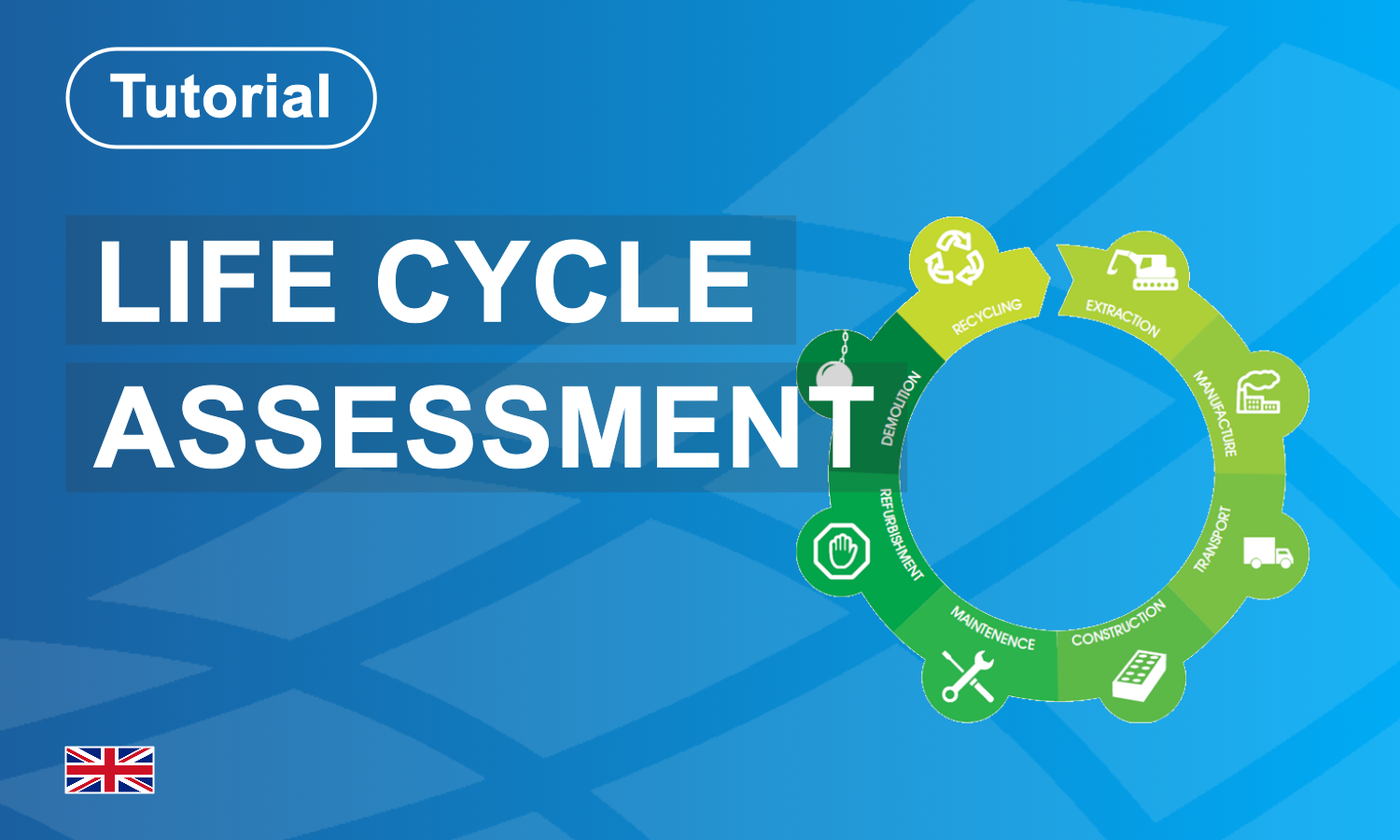
Life Cycle Assessment
In this tutorial, you will learn how to perform a Life Cycle Assessment (LCA) for your structural model using SOFiSTiK’s LCA Task. Starting from a prepared project with defined materials and geometry, you will link materials with Environmental Product Declaration (EPD) data, calculate embodied impacts, review results, and export them for documentation or further analysis.
- Non-editing teacher: Janina Quernheim
- Enrolled students: 9
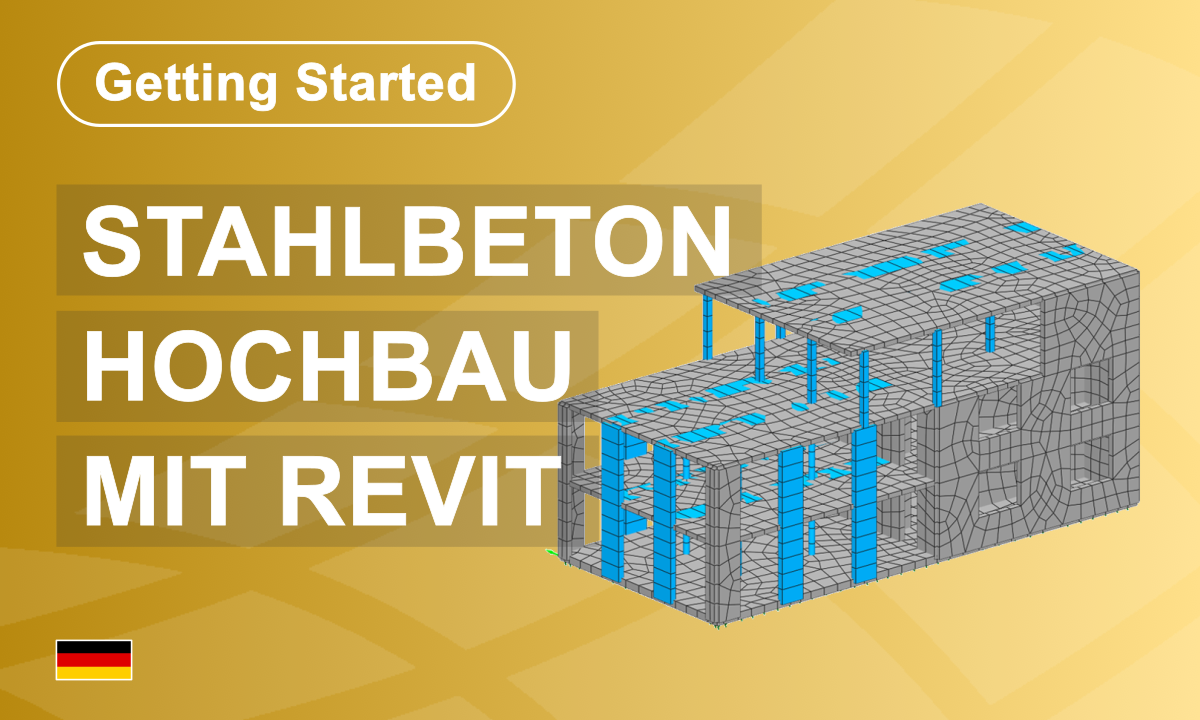
Stahlbeton Hochbau in Revit
In diesem Tutorial erlernen Sie die grundlegenden Schritte zur Modellierung eines einfachen Bauwerks in der BIM-Plattform Revit® sowie zur statischen Bemessung mit dem Softwarepaket der SOFiSTiK.
- Non-editing teacher: Johannes Ettenhuber
- Enrolled students: 12
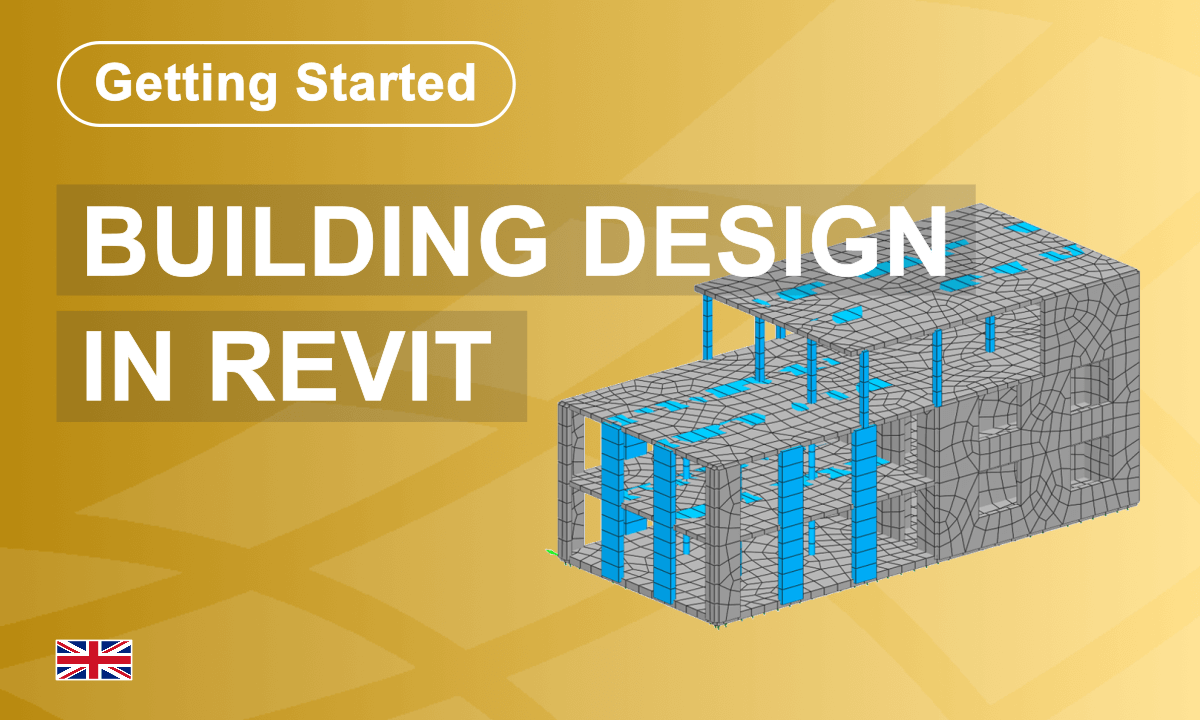
Getting Started – SOFiSTiK Building Design in Revit
In this Getting Started, you will learn the fundamental steps for modelling a simple concrete structure in the BIM platform Revit® and performing analysis and design using the SOFiSTiK software package.
- Non-editing teacher: Thomas Rastätter
- Enrolled students: 12
Tutoriel pour débutants SOFiSTiK | 2025
Ce tutoriel pour débutants offre un aperçu des fonctionnalités de base de SOFiSTiK pour votre premier projet.
De la création d’un nouveau projet à la documentation des résultats, chaque étape est expliquée à travers une courte vidéo. Un fichier d’exemple est disponible en téléchargement pour suivre le processus de votre côté.
- Teacher: Krishen MARK
- Enrolled students: 7
Beginners Tutorial SOFiSTiK | 2025
This Beginner Tutorial provides an overview of the basic SOFiSTiK functionalities for your first project. From creating a new project to documenting the results, each step is explained in a short video. An example file is available for download to follow the steps.
- Non-editing teacher: Florian Hemetsberger
- Enrolled students: 29
SOFiSTiK | 2025 - Einsteigerschulung
Diese Einsteigerschulung vermittelt die grundlegenden Arbeitsabläufe in SOFiSTiK anhand einer Hochbauplatte.
Schritt für Schritt lernen Sie, ein neues Projekt anzulegen, Materialien und Querschnitte zu definieren sowie das System und die Lasten grafisch in SOFiPLUS zu modellieren. Anschließend werden Einwirkungen verwaltet, Kombinationen erstellt, Einzellastfälle berechnet und Überlagerungen durchgeführt.
Darüber hinaus erhalten Sie eine Einführung in die Bemessung von Flächen- und Stabelementen sowie in die strukturierte Ergebnisdokumentation. Die Schulung vermittelt ein grundlegendes Verständnis des modularen Aufbaus von SOFiSTiK und der zentralen Datenbankstruktur.
- Non-editing teacher: Florian Hemetsberger
- Enrolled students: 17

Tips and Tricks - Reinforcement for Revit
Master efficient reinforcement workflows in Autodesk Revit with SOFiSTiK Reinforcement. This course consists of a collection of short feature videos that demonstrate how to model, document, review, and manage reinforcement directly within Revit.
Discover how SOFiSTiK Reinforcement extends native Revit functionality with tools designed to simplify reinforcement detailing, improve documentation quality, and increase productivity. Through practical demonstrations, you will learn how to automate repetitive tasks, maintain accurate reinforcement schedules, and efficiently manage design changes.
Key topics include:
- Rebar modelling and detailing workflows
- Rebar templates and template customization
- Automated reinforcement placement
- Reinforcement tagging and annotation
- Bending schedules and documentation
- Bent fabric reinforcement in slabs
- Member multipliers for repeated reinforcement
- Revision management and Difference Schedules
- Rebar checking and quality control
- Complete RC drawing production in Revit
- And many more features to come
Whether you are getting started with SOFiSTiK Reinforcement for Revit or exploring its latest capabilities, this course provides a quick and practical introduction to the most important features available in the software.
- Non-editing teacher: Andrei Oancea
- Enrolled students: 6
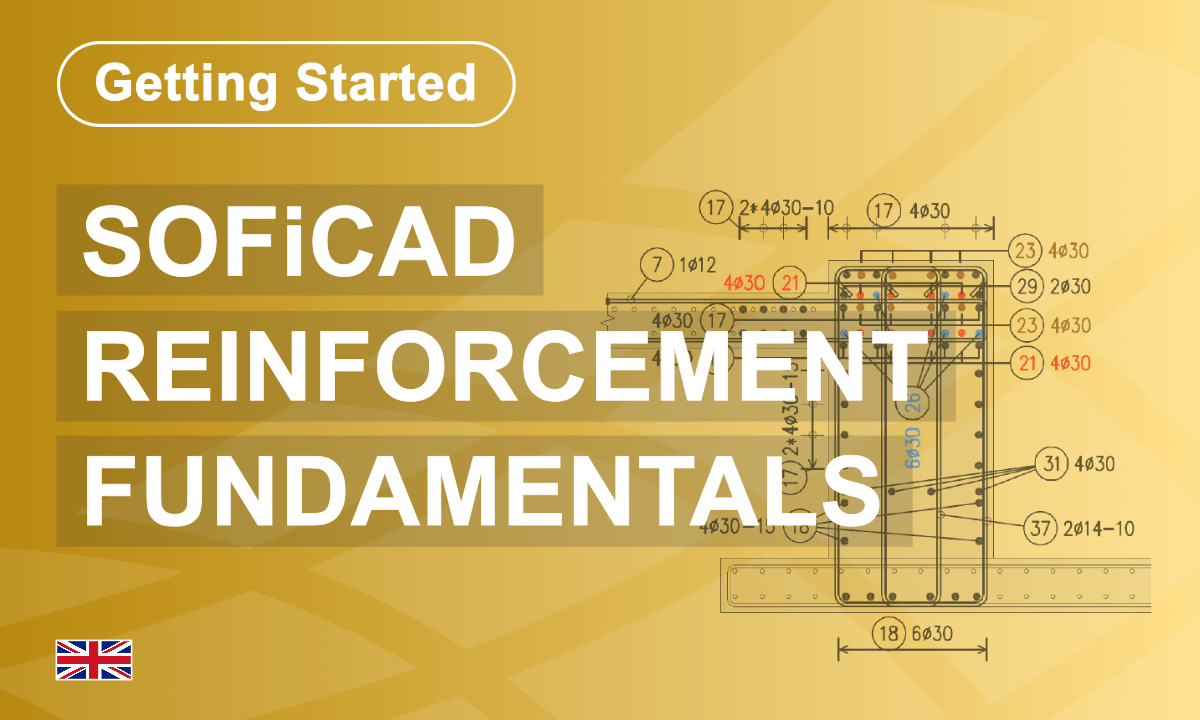
SOFiCAD Reinforcement Fundamentals
Learn the complete reinforcement workflow from creating bar shapes, rebar sets, mesh fields and stirrup meshes to editing reinforcement, assigning members, customizing labels and generating reinforcement schedules. You create reinforcement using formwork references, manage bar marks, apply productivity tools such as copy, mirror and stretch, and produce accurate schedules for fabrication and documentation. The training also covers difference schedules for revisions, total quantity summaries, BVBS export, DXF insertion, DOCX-based schedule generation and template customization. By the end, you can efficiently prepare, update and document reinforcement drawings using practical engineering workflows.
- Non-editing teacher: Nivedita Kumar
- Enrolled students: 11
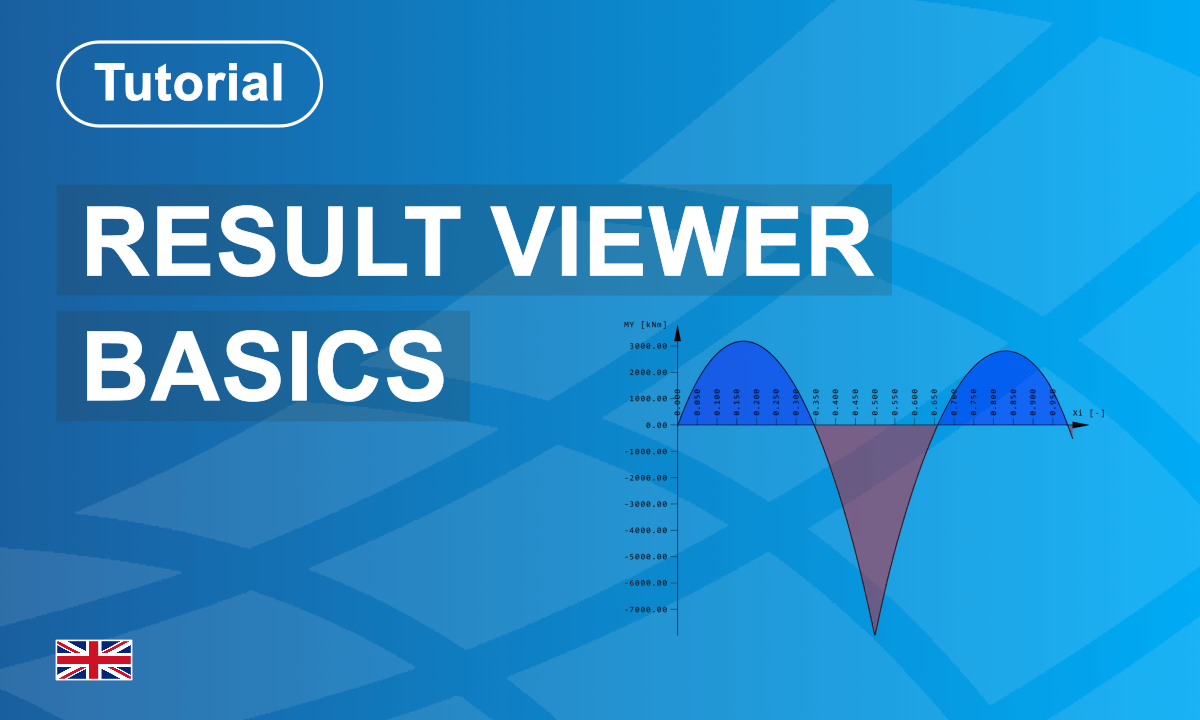
SOFiSTiK Result Viewer
This course introduces the SOFiSTiK Result Viewer and its core functionalities for efficient evaluation and documentation of analysis results. Through a series of videos, you will learn how to navigate the interface, structure result documents, and create tables, graphics, and diagrams. Each video focuses on a specific feature of the application, enabling you to quickly build practical skills and apply them directly in your workflow.
- Non-editing teacher: Florian Hemetsberger
- Enrolled students: 11

Nonlinear Analysis and Design of Concrete Structures
This tutorial introduces practical nonlinear analysis and design workflows for reinforced concrete structures using SOFiSTiK.
Across multiple example models, it explains how nonlinear material behaviour, cracking, stiffness reduction, spring elements, long-term deflection, beam behaviour, wall capacity, and volume elements are handled in finite element analysis. The lessons demonstrate how to define realistic material properties, create suitable load combinations, interpret iterative solver behaviour, and evaluate structural response under serviceability and ultimate limit states.
Special attention is given to cracked concrete modelling, reinforcement effects, and the differences between shell, beam, and solid element approaches for reliable engineering assessment.
- Non-editing teacher: György Schmidt
- Enrolled students: 25
Definition of Air Contact Ratio
This course explains the theoretical background and practical workflow for defining materials and cross sections in SOFiSTiK using AQUA and the Cross-Section Editor. Participants learn how to define the air contact ratio, configure default AQUA settings, and create material definitions in both Teddy and SSD workflows. The course also demonstrates cross section modelling techniques with AQUA and graphical editing tools. Additional remarks and best-practice recommendations support reliable modelling and analysis preparation. The training is suited for engineers working with structural analysis and design workflows requiring accurate material and cross section properties in SOFiSTiK projects.
- Enrolled students: 1
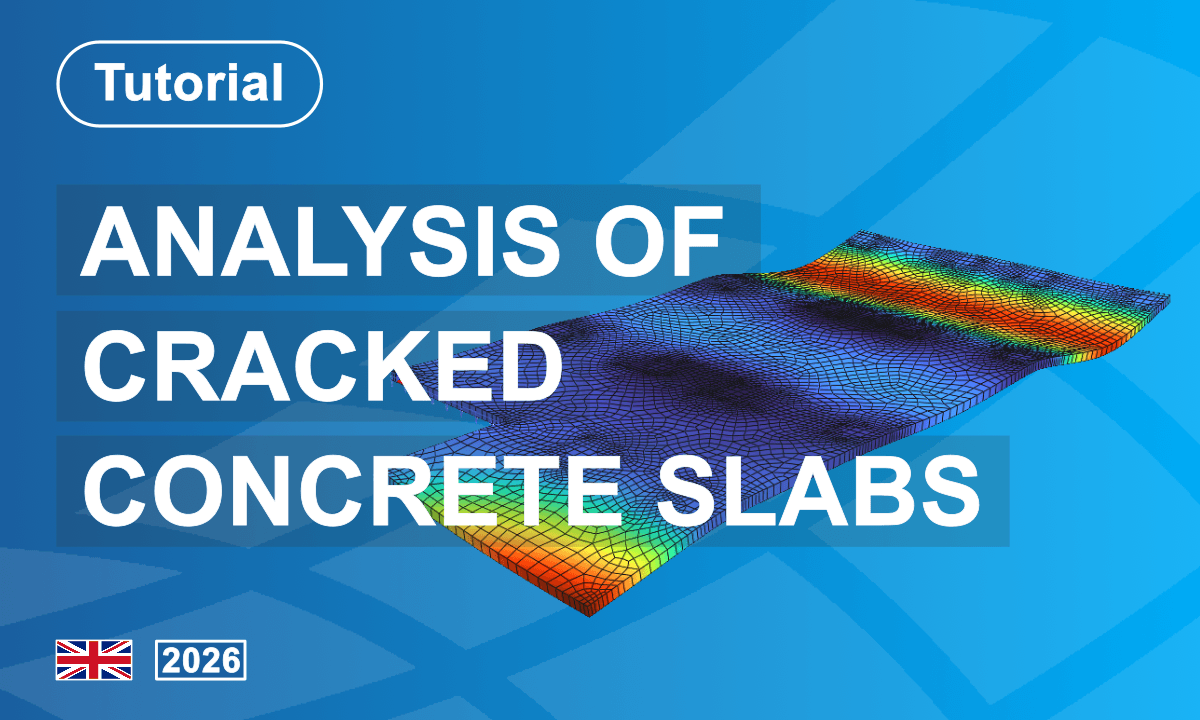
Analysis of Cracked Concrete Slabs
This training explains the analysis of cracked reinforced concrete slabs using SOFiSTiK workflows for linear and non-linear approaches. Participants learn the theoretical background of stiffness reduction, crack modelling, and realistic structural behaviour under service loads. The content demonstrates simplified linear cracked analysis methods as well as detailed non-linear procedures for reinforced concrete slab systems. Typical modelling strategies, material definitions, solver settings, and interpretation of results are covered. The training also highlights practical engineering recommendations for evaluating deflections, stress redistribution, and reinforcement behaviour. Engineers gain the ability to select suitable analysis methods and efficiently apply cracked slab analysis in structural design projects.
- Non-editing teacher: Johannes Ettenhuber
- Enrolled students: 11

Thermal Analysis of Steel Cross-Sections
This course covers thermal fire analysis of steel cross-sections including standard I-profiles, arbitrary geometries, and coated members. It explains how to define materials with temperature-dependent properties, generate appropriate meshes, and apply fire boundary conditions according to ISO fire curves. The workflow demonstrates transient heat transfer analysis and evaluation of temperature distributions within steel and protective layers. Special focus is given to coating effects that delay heating and improve fire resistance. Results are interpreted for use in structural fire design according to EN 1993-1-2. The course provides a complete methodology from geometry creation to temperature evaluation for practical engineering applications in fire design.
- Enrolled students: 6
CDB Data Import in Grasshopper
This course covers data import from CDB into the Rhino Interface using Grasshopper components. It explains how to read structural models and results including geometry, nodal values and beam results. The workflow demonstrates progressive examples from basic geometry import to advanced result visualisation. Users learn how to access database content, map data to geometry and interpret structural results directly in Rhino. Special focus is placed on consistent data handling and efficient visualisation of analysis outputs. The course provides practical methods for integrating analysis data into parametric environments and supports informed engineering decisions based on simulation results.
- Non-editing teacher: Dariusz Garas
- Enrolled students: 7
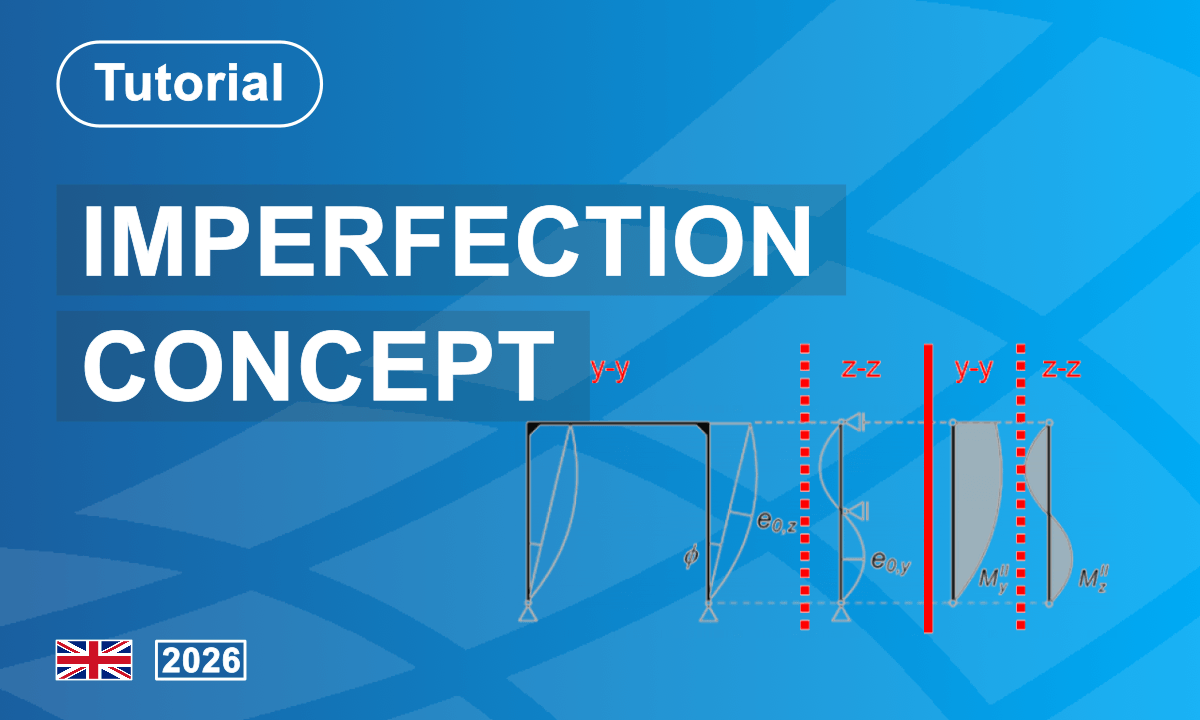
Imperfection Modelling for Structural Stability
This tutorial explains the imperfection concept used in structural stability analysis and demonstrates how imperfections can be defined and evaluated within a structural model. The content covers the theoretical background of equivalent imperfections, practical modelling strategies, and the influence of imperfections on analysis results. Users learn how to apply imperfection loads, evaluate stability behaviour, and interpret design-relevant output for steel and reinforced concrete structures. Typical engineering workflows and modelling recommendations are included to improve reliability and numerical robustness. The tutorial supports engineers in performing realistic second-order analyses and understanding the impact of geometric imperfections on global structural response.
- Enrolled students: 10
SOFiSTiK Graphic – Darstellung, Dokumentation und Grafikverwaltung
Dieser Kurs vermittelt die grundlegende und erweiterte Anwendung von SOFiSTiK Graphic zur Visualisierung, Auswertung und Dokumentation von Berechnungs- und Bemessungsergebnissen. Sie lernen die Benutzeroberfläche, Werkzeugkästen und Informationsbereiche kennen, suchen gezielt Elemente im Modell und nutzen die Verbindung zum Animator. Der Kurs behandelt die Darstellung von System-, Last-, Ergebnis- und Bemessungsinformationen, die Erstellung von Schnitten, Texten und Bemaßungen sowie die Verwaltung von Layern, Bildern und Grafiken. Zusätzlich erfahren Sie, wie Grafiken als SSD-Tasks eingebunden, Auswahldefinitionen gespeichert und bestehende Bemessungsgrafiken angepasst werden, um professionelle Ausgaben für Berichte und Gesamtdokumente zu erzeugen.
- Enrolled students: 5
Creation and Export of Reports
Learn how to create, review, optimize, and export a complete project report. You clean the SSD task tree, regenerate reports from the beginning of the workflow, and ensure all relevant project data is included. You explore Report Browser functions such as chapter management, warning and error review, critical value checks, table of contents generation, page frame settings, and printing options. You also learn how to export reports to DOCX format, apply templates, generate task-specific DOCX files, and create a complete editable report package suitable for checking, documentation, and project delivery workflows.
- Non-editing teacher: György Schmidt
- Enrolled students: 12
Erstellung und Export des Gesamtberichts
Lernen Sie, einen vollständigen Projektbericht zu erstellen, zu prüfen, zu optimieren und zu exportieren. Sie bereinigen den SSD-Aufgabenbaum, erzeugen Berichte erneut vom Beginn des Workflows und stellen sicher, dass alle relevanten Projektdaten enthalten sind. Sie nutzen Funktionen des Report Browsers wie Kapitelverwaltung, Prüfung von Warnungen und Fehlern, Kontrolle kritischer Werte, Inhaltsverzeichnis, Seitenrahmen und Druckoptionen. Außerdem lernen Sie den Export in das DOCX-Format, die Verwendung von Vorlagen, die Erstellung aufgabenspezifischer DOCX-Dateien sowie die Zusammenstellung eines bearbeitbaren Gesamtberichts für Prüfung, Dokumentation und Projektübergabe.
- Enrolled students: 4
Excel-Driven Parametric Analysis
Connecting Excel with SOFiSTiK opens powerful possibilities for parametric modelling, automated calculations, and efficient design workflows. While SOFiSTiK Results provides convenient Excel export capabilities, transferring data back into SOFiSTiK has traditionally required either manual copy-and-paste operations or custom VBA solutions.
This course introduces two practical approaches for creating a direct link between Excel and SOFiSTiK. First, you will learn the established VBA workflow, where Excel acts as a powerful user interface for generating input data, controlling calculations, and automating repetitive tasks. This method provides maximum flexibility and allows you to build customised engineering tools tailored to your specific needs.
The course then explores the native CADiNP functionality introduced in recent SOFiSTiK versions, which enables direct access to Excel data without relying on external VBA programming. Using dedicated CADiNP commands, you can read spreadsheet data directly within your SOFiSTiK model, creating transparent and maintainable workflows entirely inside the SOFiSTiK environment.
- Non-editing teacher: Guido Altersberger
- Enrolled students: 32
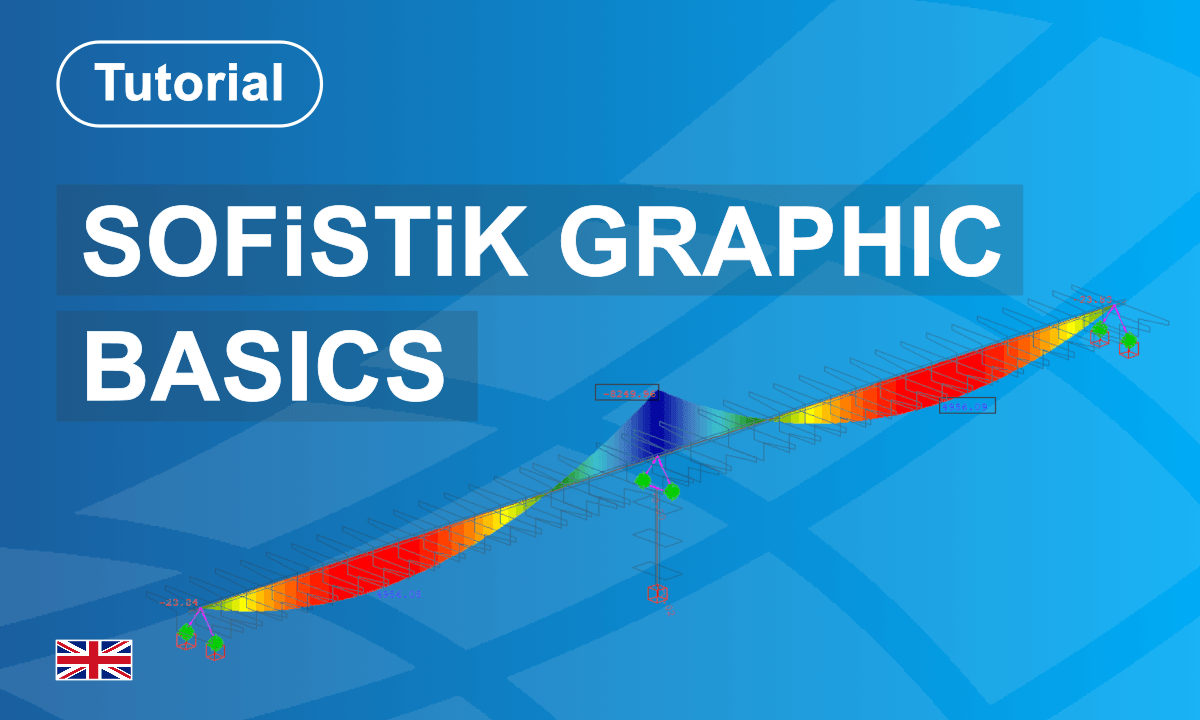
SOFiSTiK Graphic – Visualization, Documentation and Graphic Management
In this course, you will learn how to use SOFiSTiK Graphic to visualize, review and document structural analysis and design results. You will configure toolbars, search for structural and finite elements, manage selections, create cuts and customize graphical representations. You will also learn how to create graphics, pictures and layers, generate interactive graphics, integrate them into reports and improve automatically generated report content. Through practical examples and exercises, you will develop efficient workflows for presenting analysis, design and reinforcement results and producing clear, professional engineering documentation.
- Non-editing teacher: György Schmidt
- Enrolled students: 8

Technical Reference
The Technical Reference is a central reference course for technical terms, abbreviations, and key concepts used across SOFiSTiK applications, tutorials, and learning modules.
It helps you quickly understand product names, engineering terminology, and workflow-specific expressions such as CADiNP, SAF, FEABENCH module, load combinations, reinforcement sets, and many others. The glossary is designed to support your learning process by providing short, searchable explanations directly related to modelling, analysis, design, detailing, and BIM workflows. Whether you are new to SOFiSTiK or expanding your expertise, this glossary helps you build technical understanding and navigate course content more confidently.
- Non-editing teacher: Guido Altersberger
- Enrolled students: 574
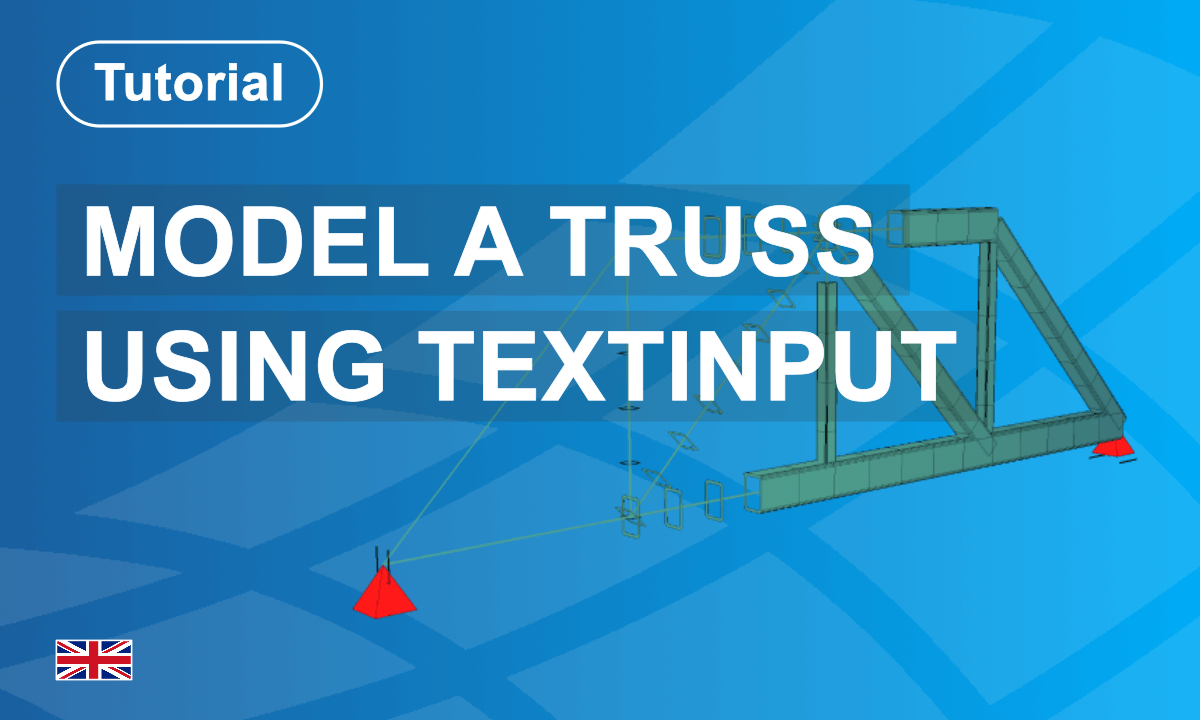
Model and Parametrize a Truss Using the Text Input
This course introduces the parametric modelling and analysis of a truss structure using SOFiSTiK's text interface.
Starting from a practical example, you will create a new project, define cross-sections, and establish system properties before introducing variables that control the structural geometry. Step by step, you will generate truss nodes, top and bottom chords, vertical members, and diagonals. Supports and loads are then applied before the structural calculation is performed. A key aspect of the tutorial is the use of CADiNP, SOFiSTiK's text interface, which enables efficient parameter-driven modelling and transparent control of the structural analysis workflow.
- Non-editing teacher: Guido Altersberger
- Enrolled students: 14

Welcome
This course helps you become familiar with the platform and shows you how to navigate its content and understand its learning structure.
In just a few minutes, you'll know how to move through courses, use learning materials effectively, and continue your learning journey with confidence.
- Teacher: Guido Altersberger
- Enrolled students: 574
Text Input in SOFiSTiK FEA Fundamentals
This course will teach you the fundamentals of Text Input in SOFiSTiK FEA.
You will hear about the Text Editor, the Input Structure, and the Syntax CADiNP. Every lesson introduces you to new commands and input options while working on your first script. More than 60 lessons, totaling 7 hours of video content, are waiting for you to dive into the most powerful input option in SOFiSTiK FEA.
Learn about the powerful text input of SOFiSTiK that can help you to optimise workflows and increase your efficiency!
- Teacher: Guido Altersberger
- Enrolled students: There are no students enrolled in this course.
SOFiPLUS Tips and Tricks
In this SOFiPLUS Features collection, you will discover powerful tools that streamline your structural modelling workflow and reduce manual effort. You will learn how to apply loads efficiently, locate and manage elements quickly, and shape structural areas using intuitive CAD-like operations. The course also demonstrates how to create openings and automate load distribution along defined paths, helping you work more consistently and effectively.
By mastering these features, you will improve both speed and accuracy in your daily modelling tasks and gain greater confidence in your SOFiPLUS projects.
- Non-editing teacher: Guido Altersberger
- Enrolled students: 20
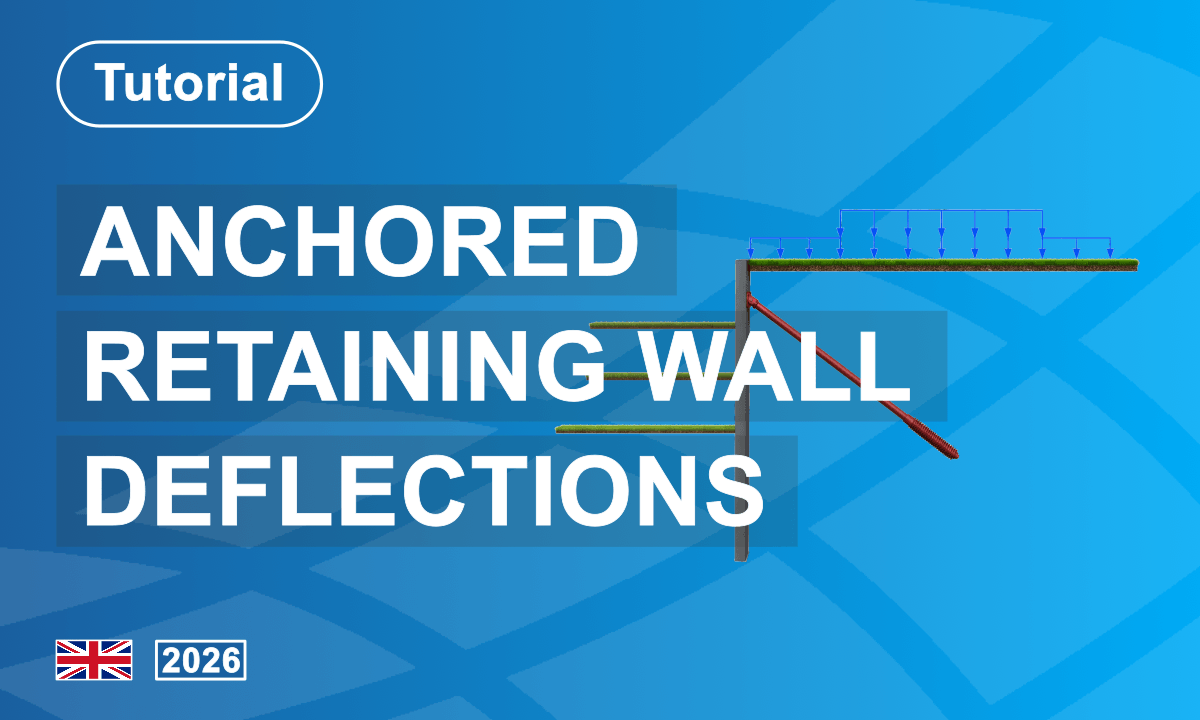
Deformation Analysis of an Anchored Retaining Wall
This course demonstrates the deformation analysis of an anchored retaining wall using finite element modelling and geotechnical analysis methods. The workflow covers model generation, soil definition, structural elements, anchor configuration, load application, and evaluation of wall displacements and internal forces. Participants learn how to interpret deformation behaviour during excavation stages and assess interaction between soil and structural components. The content also explains calculation settings, result visualization, and engineering interpretation for excavation support systems. The example provides practical guidance for analysing retaining structures and improving understanding of staged construction effects in geotechnical engineering projects using integrated structural and soil analysis workflows.
- Enrolled students: 8

Halfspace Analysis for Pile Raft Foundations
This course explains the workflow for analysing pile foundations using halfspace modelling methods. Participants learn how to define soil stiffness, apply boundary conditions, model pile-supported systems, and evaluate structural behaviour under foundation loads. The content introduces interaction effects between piles and surrounding soil and demonstrates efficient interpretation of analysis results for engineering assessment. Typical modelling strategies and calculation procedures are presented to support reliable foundation analysis and design. The training is intended for engineers working with geotechnical and structural interaction models and provides practical guidance for setting up and reviewing halfspace analysis projects for pile foundation applications.
- Enrolled students: 11
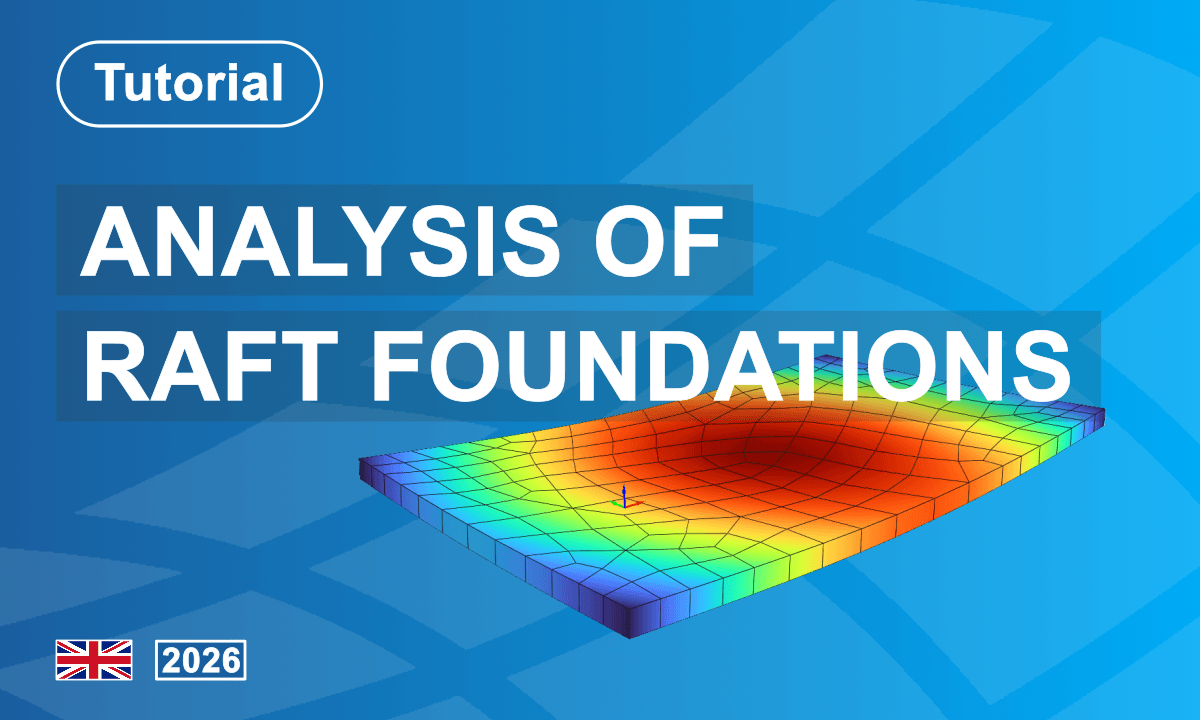
Halfspace Analysis for Raft Foundations
This course explains the modelling and analysis workflow for raft foundations using halfspace soil representation. Participants learn how to define soil bedding conditions, apply structural loads, evaluate settlements, and interpret support reactions. The content introduces the interaction between structural elements and subsoil behaviour for realistic foundation analysis. Special attention is given to modelling assumptions, meshing strategies, and result evaluation for engineering decision-making. The workflow supports efficient assessment of raft foundation performance under static loading conditions. By completing the course, users gain practical knowledge for setting up reliable foundation models and reviewing displacement, stress, and soil pressure distributions in engineering projects.
- Enrolled students: 5
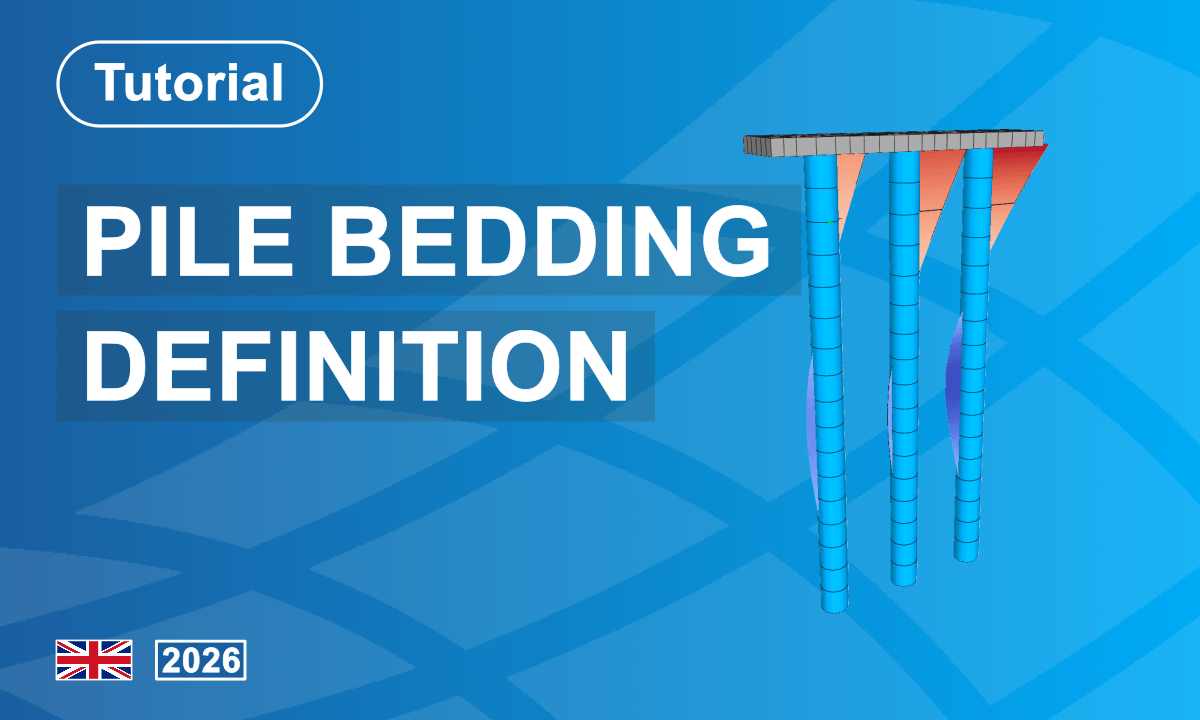
Pile Bedding Definition and Analysis of Pile Supports
This content explains the definition and analysis workflow for pile bedding and pile supports in structural models. It covers the assignment of bedding properties, modelling of pile-supported systems, interpretation of stiffness behavior, and evaluation of support reactions. Users learn how to define pile parameters, review analysis results, and validate the structural response of foundations under applied loads. The material is intended for engineers working with foundation modelling and structural analysis workflows. The presented procedures support efficient setup and verification of pile-supported structures in engineering projects involving soil-structure interaction and support stiffness assessment.
- Enrolled students: 9
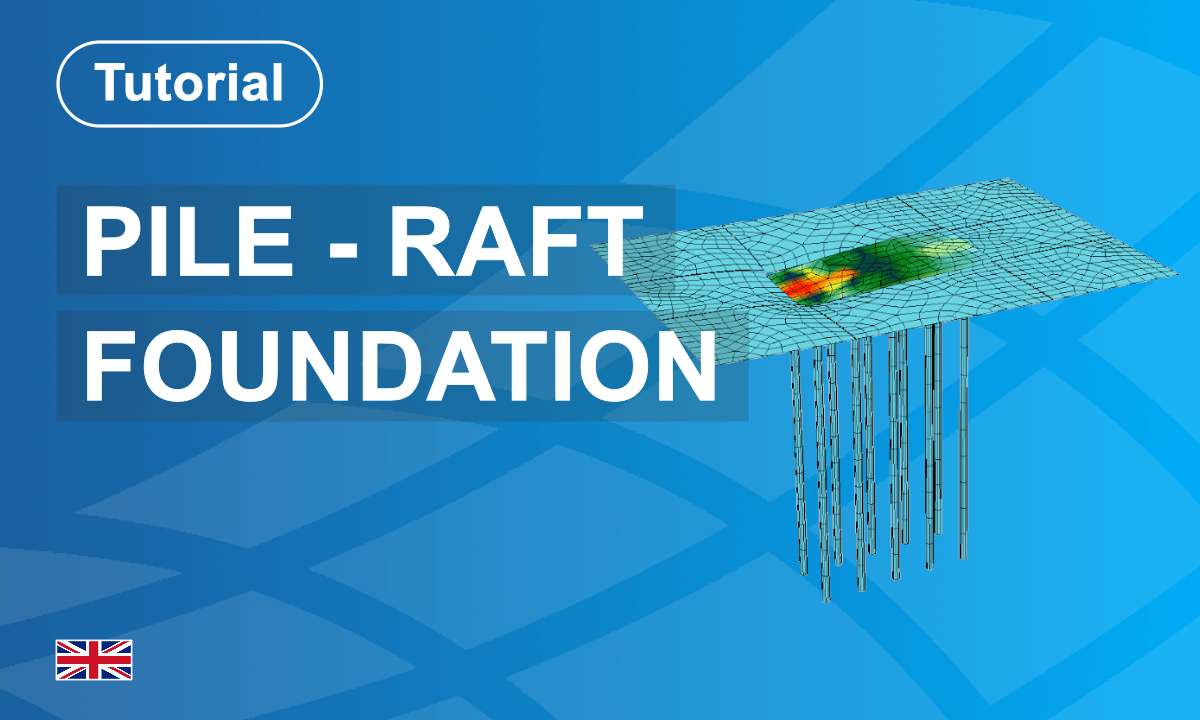
Pile Raft Foundation
In this course, you will learn how to model a simple piled raft foundation and understand the fundamental principles of soil–structure interaction using half-space analysis. Starting from a blank project, you will build the complete example step by step, defining soil profiles, applying the Soil–Structure Interaction task, and generating clear, meaningful graphics for your report. You will also design the raft and piles using the available tasks in SOFiSTiK Structural Desktop, developing a full and consistent model throughout the lessons.
Happy Learning!
- Non-editing teacher: Guido Altersberger
- Enrolled students: 19
Evaluating Load Transfer Between Revit Systems in Excel
- Teacher: Guido Altersberger
- Enrolled students: 1
Test Course
- Teacher: Guido Altersberger
- Enrolled students: 1
Onboarding 2026 Conzett Bronzini Partner AG Schweiz
- Teacher: Guido Altersberger
- Enrolled students: 1

Ghent University - Faculty of Engineering and Architecture
This introductory course is designed for Civil Engineering and Architecture students at Ghent University who are new to SOFiSTiK. Participants will learn the fundamentals of the software and its role in modern structural engineering workflows.
The course provides an overview of structural modeling, analysis, and design concepts while introducing the integration of SOFiSTiK within BIM and CAD environments.
Through practical examples and guided exercises, students will gain hands-on experience with key features and establish a solid foundation for future academic projects and professional applications. No prior experience with SOFiSTiK is required, making this course an ideal starting point for beginners.
- Teacher: Guido Altersberger
- Enrolled students: 1
Continuing education at ISBA TP
This course introduces the practical workflow of structural modelling and analysis with SOFiSTiK, starting from software structure and project organisation through to calculation, meshing, load application, and result interpretation.
It explains how geometry, materials, systems, and analysis data interact inside the central database and demonstrates modelling approaches using beams, area elements, and bridge components. Participants learn how meshing strategies influence accuracy, how supports and bridge bearings are defined, and how outputs are generated for engineering evaluation.
The sessions provide a clear understanding of the complete analysis workflow from model creation to calculation and documentation.
- Teacher: mahdi ketfi
- Non-editing teacher: Krishen MARK
- Non-editing teacher: Xavier Martin
- Non-editing teacher: sebastien pigeon
- Enrolled students: 3

KTH Sweden Fundamentals of Structural Modelling and Analysis with SOFiSTiK
This course introduces the practical workflow of structural modelling and analysis with SOFiSTiK, starting from software structure and project organisation through to calculation, meshing, load application, and result interpretation.
It explains how geometry, materials, systems, and analysis data interact inside the central database and demonstrates modelling approaches using beams, area elements, and bridge components. Participants learn how meshing strategies influence accuracy, how supports and bridge bearings are defined, and how outputs are generated for engineering evaluation.
The sessions provide a clear understanding of the complete analysis workflow from model creation to calculation and documentation.
- Non-editing teacher: Florian Hemetsberger
- Enrolled students: 2
Skip courses