



About the course
This course explains the modelling and analysis workflow for raft foundations using halfspace soil representation. Participants learn how to define soil bedding conditions, apply structural loads, evaluate settlements, and interpret support reactions. The content introduces the interaction between structural elements and subsoil behaviour for realistic foundation analysis. Special attention is given to modelling assumptions, meshing strategies, and result evaluation for engineering decision-making. The workflow supports efficient assessment of raft foundation performance under static loading conditions. By completing the course, users gain practical knowledge for setting up reliable foundation models and reviewing displacement, stress, and soil pressure distributions in engineering projects.
What you'll learn
- Create raft foundation analysis models with halfspace soil representation
- Define soil bedding parameters and support conditions
- Evaluate settlements and soil pressure distributions
- Interpret structural response and support reactions
- Apply efficient meshing and modelling strategies for foundation systems
Course content
Instructors
Enrolment options
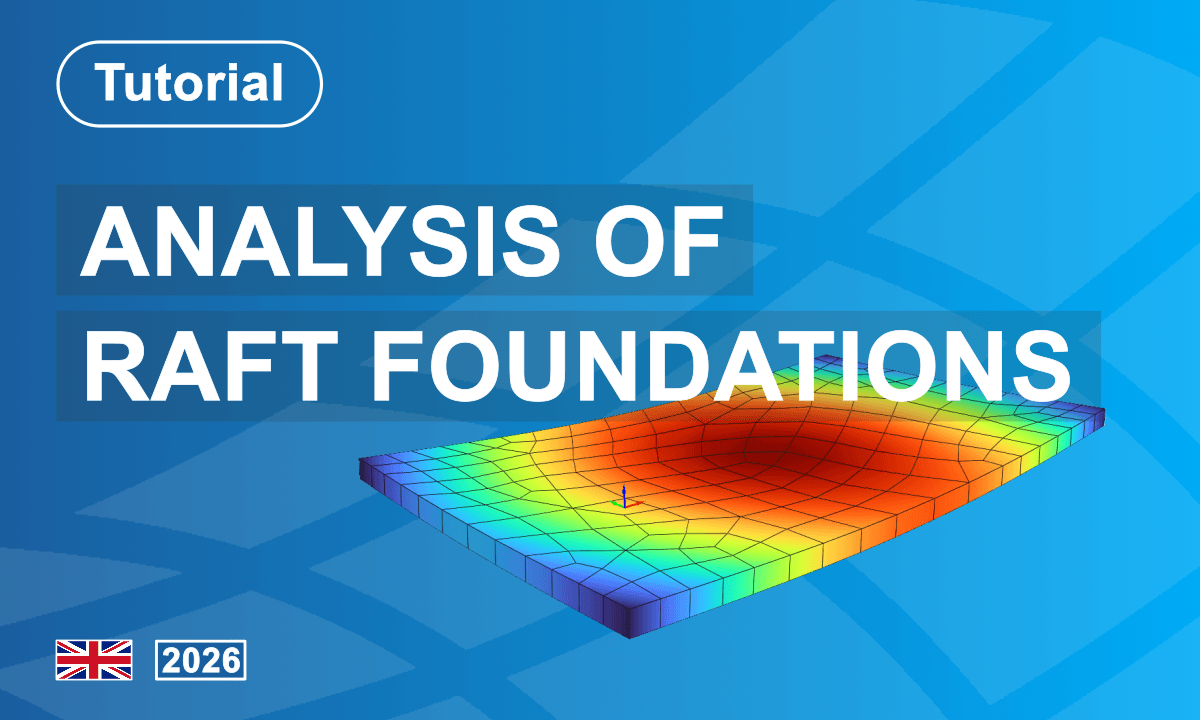
Halfspace Analysis for Raft Foundations
This course explains the modelling and analysis workflow for raft foundations using halfspace soil representation. Participants learn how to define soil bedding conditions, apply structural loads, evaluate settlements, and interpret support reactions. The content introduces the interaction between structural elements and subsoil behaviour for realistic foundation analysis. Special attention is given to modelling assumptions, meshing strategies, and result evaluation for engineering decision-making. The workflow supports efficient assessment of raft foundation performance under static loading conditions. By completing the course, users gain practical knowledge for setting up reliable foundation models and reviewing displacement, stress, and soil pressure distributions in engineering projects.
- Enrolled students: 3
Self enrolment as 'Student'
- Language: English
- Level: Advanced
- Duration : 1 Hour
- Platform: AutoCAD
- Application: Structural Desktop
- Version: 2026
This course includes
Resources